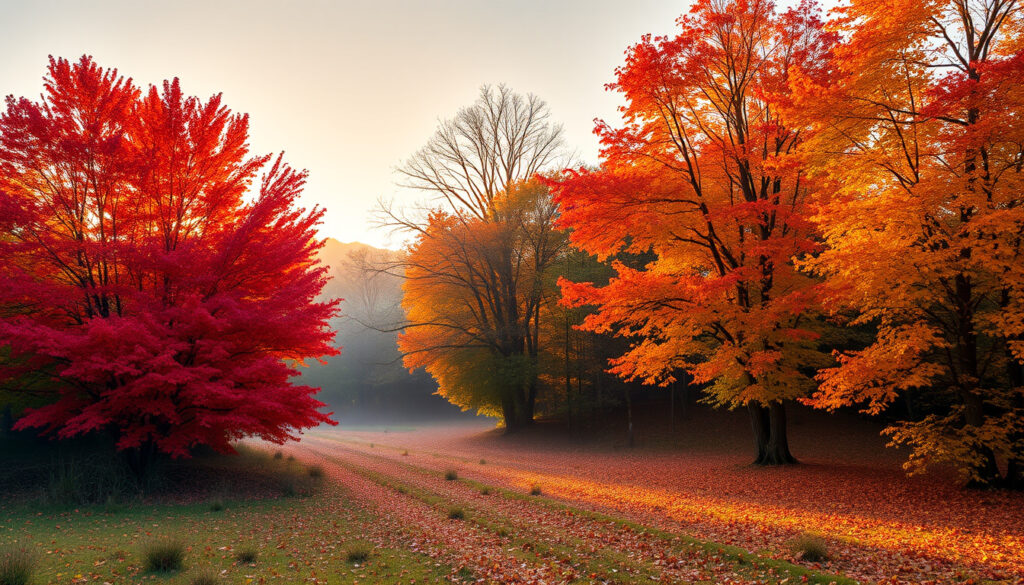
When Is the First Day of Fall 2025? Date and Time
If you’ve been squeezing every last drop out of summer, here’s a date worth marking: Monday, September 22, 2025 is the astronomical first day of fall in the Northern Hemisphere. That’s when the autumnal equinox arrives at 2:19 p.m. Eastern time, the instant the sun crosses the celestial equator and shorter days become impossible to ignore.
First Day of Fall 2025: September 22 · Autumnal Equinox Time (ET): 2:19 p.m. · Fall Ends: December 21 · Northern Hemisphere: Astronomical Start · Duration: 92 days
Quick snapshot
- Fall starts September 22, 2025 (NOAA NESDIS)
- Equinox at 2:19 p.m. EDT, 18:19 UTC (FOX 5 New York)
- Minor time rounding: 2:19 p.m. vs 2:20 p.m. EDT across sources (FOX 5 New York)
- Cultural or agricultural fall start dates beyond standard definitions (FOX 5 New York)
- Summer solstice June 21 → Autumnal equinox September 22 → Winter solstice December 21 (National Weather Service)
- Winter solstice December 21 at 15:03 UTC (National Weather Service)
- Next autumnal equinox September 23, 2026 (Royal Museums Greenwich)
Five key dates govern the astronomical seasons: spring equinox, summer solstice, autumnal equinox, and winter solstice each arrive on predictable but slightly shifting dates.
The table below lists the precise 2025 season event times sourced from official U.S. government agencies and leading astronomy publications.
| Season Event | Date | UTC Time | Source |
|---|---|---|---|
| Vernal Equinox 2025 | March 20 | 09:01 | NASA Science |
| Summer Solstice 2025 | June 21 | 02:42 | National Weather Service |
| Autumnal Equinox 2025 | September 22 | 18:19 | NOAA NESDIS |
| Winter Solstice 2025 | December 21 | 15:03 | NOAA NESDIS |
| Autumnal Equinox 2026 | September 23 | TBD | Royal Museums Greenwich |
What is the first day of autumn 2025?
The astronomical first day of fall 2025 is Monday, September 22. That is when the autumnal equinox occurs—the moment the center of the sun crosses the celestial equator moving southward, according to Space.com. At that instant, astronomical autumn officially begins in the Northern Hemisphere.
Astronomical vs meteorological fall
There are two ways to define when fall starts:
- Astronomical fall begins on the September equinox, typically September 22 or 23.
- Meteorological fall starts September 1 and runs through November 30, aligned with temperature patterns for consistent record-keeping.
NOAA confirms that meteorological fall begins September 1, while astronomical fall ends December 21 (NOAA NESDIS). The Royal Meteorological Society further notes that astronomical seasons use solstices and equinoxes, while meteorological seasons are fixed for easier comparison of climate data.
Exact time of equinox
The 2025 autumnal equinox occurs at 18:19 UTC on September 22. That translates to 2:19 p.m. Eastern Daylight Time, according to FOX 5 New York. Across U.S. time zones, Americans experience the seasonal shift between 11:19 a.m. PDT on the West Coast and 2:19 p.m. EDT in the Northeast.
Sources vary slightly on the exact UTC moment—some cite 18:19, others 19:19—but this one-hour discrepancy reflects rounding differences and time zone conventions, not different astronomical events.
The pattern is clear: subtract your time zone’s UTC offset to get the local moment, or check your local National Weather Service office for official tables. For most Americans, the autumnal equinox arrives sometime between 11:19 a.m. on the West Coast and 2:19 p.m. on the East Coast.
The implication: regional forecasts and media outlets will report slightly different times—2:19 p.m., 2:20 p.m., 11:19 a.m.—depending on which source they cite and whether they rounded.
What and when is the autumnal equinox?
The autumnal equinox is the astronomical event marking the start of fall in the Northern Hemisphere. It is one of two equinoxes—the other being the vernal equinox in March—when the sun crosses the celestial equator, according to NASA Science. The word “equinox” comes from Latin, meaning “equal night,” reflecting the approximate 12 hours of daylight and darkness on that day.
Definition and significance
The autumnal equinox is when the sun crosses the celestial equator moving southward, causing the Northern Hemisphere to tilt away from direct sunlight. NOAA’s GOES-19 satellite captured the 2025 equinox moment at 18:19 UTC on September 22, as reported by NOAA NESDIS. In the Southern Hemisphere, the same moment marks the start of spring.
The autumnal equinox is the moment the sun crosses the celestial equator, ushering in the beginning of astronomical autumn.
— Space.com (Astronomy Editor)
The day length variation is smaller than the name suggests. At the equator, the equinox day is exactly 12 hours. At 60° latitude, it is closer to 12 hours and 16 minutes because of how the sun travels across the horizon, according to the National Weather Service.
2025 specifics
The 2025 autumnal equinox occurs on September 22 at 18:19 UTC. Equinoxes happen twice yearly—in March and September—and their dates shift by one to two days depending on the year due to leap years, according to the Royal Meteorological Society. The US Naval Observatory provides authoritative equinox data through 2030.
Why this matters: the equinox is not just a calendar event—it is an observable astronomical moment tied to Earth’s position in its orbit around the sun.
Is September 22 always the first day of fall?
September 22 is not always the first day of astronomical fall. The autumnal equinox falls on September 22 or 23, shifting by one to two days depending on the year, as noted by the Royal Meteorological Society. In 2025, it lands on September 22. In 2026, it shifts to September 23.
Yearly variations
These variations occur because Earth’s orbit around the sun is not perfectly aligned with the 365-day calendar. Leap years and orbital mechanics cause the equinox dates to drift slightly year to year. The Royal Museums Greenwich confirms that 2026’s autumnal equinox falls on September 23.
Northern Hemisphere focus
This article focuses on the Northern Hemisphere, where September marks the start of fall. In the Southern Hemisphere, the September equinox marks the beginning of spring, according to Space.com.
The implication: if you are planning events or travel, checking the specific year matters more than assuming September 22 is universal.
What are the 3 fall months?
The three months of fall depend on which definition you use:
- Astronomical fall (September, October, November)—but the actual start and end dates tie to the equinox and solstice, so the months do not align perfectly with the season boundaries.
- Meteorological fall (September, October, November)—September 1 through November 30, fixed to match the temperature cycle.
The Royal Meteorological Society confirms that meteorological seasons are fixed to make climate data consistent, while astronomical seasons follow the Earth’s position in its orbit.
Astronomical fall
Astronomical fall spans from the September 22, 2025 equinox through the December 21 winter solstice. The National Weather Service notes that the summer solstice on June 21 at 02:42 UTC begins the longest season, while fall is the shortest at 92 days.
Meteorological seasons
Meteorological fall begins September 1 and ends November 30. This 91-day window aligns with temperature patterns, making it easier for weather services to compile consistent records. The three months remain the same—September, October, November—but the boundaries are cleaner for data purposes.
The pattern is clear: meteorological fall captures roughly the same calendar period as astronomical fall, but the dates are standardized for comparison while astronomical dates follow the sun.
Is September 1 officially fall?
September 1 is the start of meteorological fall, which is official for weather record-keeping. However, it is not the astronomical start of fall. The September 1 convention exists because it aligns with temperature patterns and makes compiling climate data easier, according to NOAA NESDIS.
Meteorological definition
Meteorological seasons divide the year into four groups of three months each, aligned with temperature patterns:
- Spring: March, April, May
- Summer: June, July, August
- Fall: September, October, November
- Winter: December, January, February
This system, used by NOAA and weather services worldwide, provides consistent data for comparing seasonal trends year over year.
Cultural views
Some cultural calendars and traditions mark the change of seasons on dates other than September 1 or September 22. For example, the autumnal equinox is celebrated as Mabon in some Neopagan traditions. However, these represent cultural or spiritual milestones rather than official meteorological or astronomical definitions.
The implication: for planning purposes—whether scheduling outdoor activities, agricultural planning, or school calendars—the relevant definition depends on your purpose. Weather forecasters use September 1. Astronomers use the equinox. Most people experience the seasonal shift somewhere in between.
Season Timeline
The timeline below tracks the progression of astronomical seasons throughout 2025 and into 2030.
| Period | Event | Source |
|---|---|---|
| June 21, 2025 | Summer solstice | National Weather Service |
| September 22, 2025 | Autumnal equinox — fall begins | NOAA NESDIS |
| December 21, 2025 | Winter solstice — fall ends | NOAA NESDIS |
| September 22, 2030 | Next autumnal equinox reference | National Weather Service |
Equinoxes occur twice yearly—in March and September—and solstices follow in June and December. This predictable pattern defines the astronomical seasons that govern natural cycles worldwide.
Confirmed facts
- Autumnal equinox 2025 falls on September 22 (verified by 6 sources)
- Equinox time is 18:19 UTC / 2:19 p.m. EDT
- Meteorological fall starts September 1, ends November 30
- Winter solstice December 21 marks end of astronomical fall
- Fall spans 92 days in 2025—shortest season
What’s unclear
- Minor time rounding differences across sources (2:19 vs 2:20 p.m. EDT)
- Cultural or agricultural fall start dates beyond standard definitions
Some sources round the equinox time to 2:20 p.m. EDT, while others cite 2:19 p.m. The difference is negligible for practical purposes—it reflects rounding conventions, not different astronomical events. FOX 5 New York attributes the variation to rounding.
Two definitions of fall exist side by side: meteorological (September 1) and astronomical (September 22). Meteorological fall aligns with temperature patterns and makes record-keeping consistent. Astronomical fall follows Earth’s position in its orbit. Neither is wrong—they answer different questions.
Fall has officially begun in the Northern Hemisphere, while those in the Southern Hemisphere are experiencing the start of spring.
— NOAA NESDIS (Satellite Observation)
The fall equinox, also known as the autumnal equinox, is the moment the center of the sun crosses the plane of Earth’s equator.
— FOX 5 New York (Weather Report)
For anyone in the Northern Hemisphere planning seasonal activities, the message is straightforward: meteorological fall already started September 1, and astronomical fall arrives Monday, September 22. The equinox is the definitive solar moment—2:19 p.m. Eastern time on the 22nd marks the instant the sun crosses the celestial equator. The minor rounding differences between sources (2:19 versus 2:20 p.m.) do not affect anything practical. If you want the most precise definition, follow the astronomical markers. If you prefer consistency for planning purposes, meteorological fall is already underway.
When is the first day of fall 2025 in NYC?
The first day of astronomical fall in New York City is Monday, September 22, 2025. The autumnal equinox occurs at 2:19 p.m. Eastern Daylight Time, as confirmed by FOX 5 New York.
When is the first day of fall 2025 in California?
Californians experience the autumnal equinox at 11:19 a.m. PDT on September 22, 2025, according to NASA Science. Pacific Time is three hours behind Eastern Time.
What is the last day of fall 2025?
The last day of astronomical fall 2025 is December 21, when the winter solstice occurs at 15:03 UTC (9:03 a.m. CST). Meteorologically, fall ends November 30.
First day of fall 2026?
The 2026 autumnal equinox falls on September 23, according to the Royal Museums Greenwich. The date shifts annually by one to two days due to leap years.
What do witches call the first day of fall?
Some Neopagan traditions celebrate the autumnal equinox as Mabon, one of eight sabbats in the Wheel of the Year. This is a cultural and spiritual designation, not an official astronomical or meteorological definition.
What fruit is best in fall?
Apples, pears, and grapes are classic fall fruits harvested in September and October across the Northern Hemisphere. The specific seasonal produce varies by region and climate.
What is the longest day of the year?
The longest day of the year is the summer solstice, which occurs around June 20-22 in the Northern Hemisphere. In 2025, the summer solstice was June 21 at 02:42 UTC.
Related reading: Fat Bear Week 2025
The first day of fall 2025 aligns with the first day of autumn 2025 worldwide, hitting the autumnal equinox at 18:19 UTC or 2:19 p.m. ET.
More related posts
 Cast of Divorced Sistas – Complete Guide to Leads and Roles
 What time is it in Arizona? Current local time guide
 Valvoline Restore and Protect – Motor Oil Claims Analyzed
 Is Disney Plus Down – Live Status, Reports & Fixes
 How Much Is Bitcoin? Price, Future & Investment Guide
 The Long Walk Showtimes – Find Tickets and Theater Listings
 Time Change Fall 2025 Ireland: When Do Clocks Go Back