Who Is the New Pope? Leo XIV (Robert Prevost) Explained
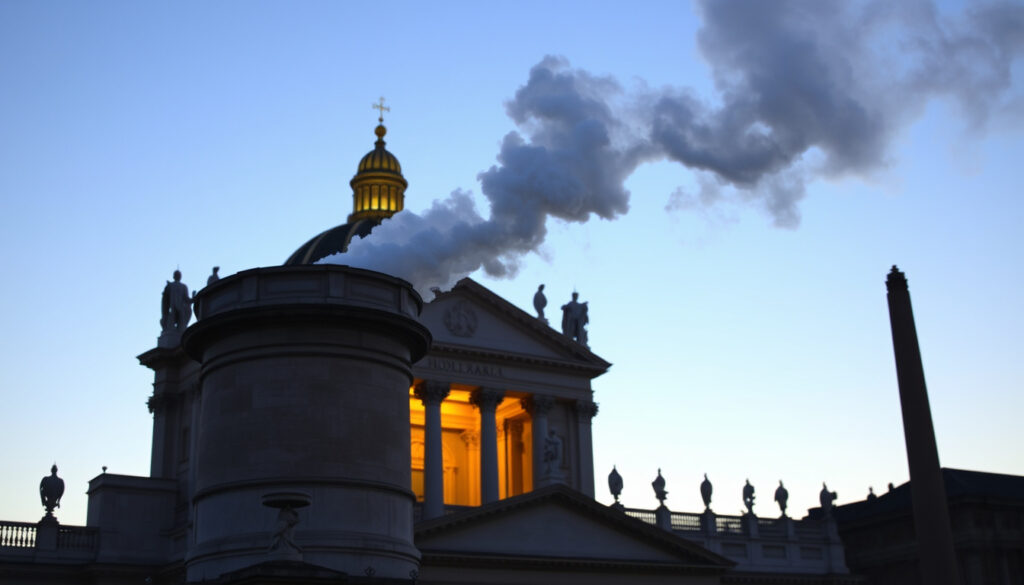
When white smoke rose from the Sistine Chapel on the evening of May 8, 2025, the Catholic Church elected a pontiff unlike any in its 2,000-year history. Robert Francis Prevost, a Chicago-born missionary who spent decades serving in Peru, emerged as Pope Leo XIV—the first pope born in the United States. The announcement drew Cardinal Dominique Mamberti’s words echoing across St. Peter’s Square to a crowd of roughly 250,000 people waiting below.
Papal Name: Leo XIV · Birth Name: Robert Francis Prevost · Birthplace: Chicago, Illinois · Election Date: May 8, 2025 · First From: United States
Quick snapshot
- 267th Pope (BBC News)
- Elected May 8, 2025 on fourth ballot (Wikipedia)
- First American pontiff in history (Askanwi Gambia)
- Future policy directions
- Motivation behind name choice
- Specific reform priorities
- Conclave began May 7, 2025 (Wikipedia)
- White smoke at 6 p.m. Rome time (America Magazine)
- First blessing 7:23 p.m. Rome time (America Magazine)
- Inaugural address pending
- First papal audiences scheduled
- Policy signals expected
The table below consolidates key biographical and papacy data for Pope Leo XIV.
| Field | Value |
|---|---|
| Papal Name | Leo XIV |
| Secular Name | Robert Francis Prevost |
| Age at Election | 69 |
| Nationality | American |
| Birthplace | Chicago, Illinois, USA |
| Ethnic Descent | French, Italian, Spanish |
Who is the new Pope Leo XIV?
Robert Francis Prevost was born in Chicago on September 14, 1955, and spent much of his priestly life as a missionary and bishop in Peru before returning to Rome for senior Vatican appointments. He joined the Order of Saint Augustine at a young age, making him the first Augustinian pope in history. Vatican News records show that Pope Francis appointed him Prefect of the Dicastery for Bishops on January 30, 2023, and created him a cardinal just months later on September 30, 2023.
Background and early life
Prevost grew up in Chicago with a multicultural family background—his father Louis Marius Prevost traces to French and Italian heritage, while his mother Mildred Martínez brings Spanish roots. He attended Villanova University for his undergraduate studies, followed by seminary formation that led to his ordination as a priest on September 10, 1981. His path toward the papacy accelerated when he became bishop of the Diocese of Chuquisaca in Peru, where he served the local church for years before moving into Vatican administration.
Path to papacy
The death of Pope Francis on April 21, 2025, set the conclave process in motion. After serving as Prefect of the Dicastery for Bishops—one of the Vatican’s most powerful positions overseeing bishop appointments worldwide—Prevost had cultivated relationships across the global Church. He took possession of his titular church, the Diaconate of Saint Monica, on January 28, 2024, cementing his place among the College of Cardinals. When the 133 voting cardinals entered the Sistine Chapel on May 7, 2025, many observers had already flagged his name as a leading contender given his balance of pastoral experience and institutional acumen.
Prevost’s journey from Chicago parishes to the Vatican throne of St. Peter spans four decades of service across two continents—a trajectory that reflects the Catholic Church’s increasingly global leadership profile.
His multicultural background and Vatican experience may translate into effective global leadership as his papacy takes shape in the coming months.
What ethnicity is Robert Prevost?
Prevost’s ethnic background reflects the rich immigrant history of mid-20th century Chicago. Vatican News confirms his father Louis Marius Prevost carries French and Italian ancestry, while his mother Mildred Martínez traces her lineage to Spain. This combination places Prevost within the Franco-Italian-Spanish heritage group common among certain Chicago Catholic communities, though he holds American citizenship as his primary nationality. He also holds Peruvian citizenship through his years of service there, making him a dual national—a factor that strengthened his appeal among cardinals from Latin America during the conclave.
Family heritage
Prevost was raised Catholic in Chicago, one of four siblings that include two brothers: Louis Martín and John Joseph. The family maintained connections to both European heritage and the broader American melting pot, a background that shaped Prevost’s multicultural sensibilities. His years ministering in Peru further deepened ties to Latin American Catholicism, where he became known among bishops there as a trusted colleague. Pope Francis reportedly noticed this cross-cultural competence, which played a role in his rapid advancement to major Vatican posts before the 2025 conclave.
Ancestry details
While detailed genealogical records remain limited in public sources, Vatican biographies confirm the French, Italian, and Spanish components of Prevost’s ancestry. His selection of the papal name Leo—honoring Pope Leo XIII, the “pope of the working class” from the late 19th century—suggests an affinity for European intellectual traditions. This multicultural foundation positioned him uniquely among a College of Cardinals seeking someone who could bridge American pragmatism with traditional European churchmanship and Latin American pastoral sensitivity.
The combination of Franco-Italian-Spanish ancestry through his parents positioned Prevost distinctly among American Catholics while also resonating with Latin American prelates during the conclave.
Why is pope called Leo?
Every pope chooses a regnal name that signals continuity with a beloved predecessor and an aspiration for their own pontificate. Prevost selected “Leo XIV,” invoking the legacy of Pope Leo XIII, who served from 1878 to 1903 and became renowned for social teaching that addressed workers’ rights and modern economic challenges. Wikipedia Italian confirms that Prevost’s choice explicitly honors Leo XIII, whose encyclicals remain foundational texts in Catholic social doctrine.
Papal name tradition
The tradition of popes adopting new names dates to the 6th century and reflects the belief that the papal office represents a new beginning in ministry. Most popes choose names from their immediate predecessors or from saints particularly meaningful to them. Leo XIII himself took his name in honor of Pope Leo the Great, whose theological writings shaped early Church doctrine. By choosing Leo XIV, Prevost signals alignment with that intellectual and social tradition while adding his own chapter to the papal lineage.
Choice of Leo XIV
The selection of “Leo” rather than continuing Francis’s name line indicated Prevost’s desire to chart an independent course while drawing on respected church teaching. Leo XIII faced a rapidly industrializing world and sought to provide Catholic responses to labor movements and technological change—themes that resonate with contemporary challenges around artificial intelligence, migration, and global inequality. Whether Prevost will pursue similar social priorities remains to be seen as he establishes his papacy’s priorities.
The choice of Leo XIV moves away from the Francis line while positioning Prevost as a pope attentive to Catholic social teaching—a signal that economic justice and workers’ concerns may feature in his agenda.
What is Pope Leo’s real name?
The pope born Robert Francis Prevost now serves as the 267th pontiff of the Roman Catholic Church. “Robert” comes from his baptismal name, while “Francis” honors his mother, and “Prevost” reflects his French family heritage. He was ordained a priest on September 10, 1981, and spent most of his career serving in Peru before Vatican leadership roles brought him to Rome. His pre-papal career demonstrates deep pastoral roots combined with administrative experience in church governance.
Full birth name
Robert Francis Prevost’s full secular name reflects the multicultural household that raised him. “Prevost” itself derives from the French word for “provost,” indicating Norman origins in his family tree. Vatican News records his complete biographical trajectory from Chicago birth through Peruvian bishopric to Vatican dicastery leadership, providing authoritative documentation of his formation and appointments.
Pre-papal career
Before his election, Prevost served as Prefect of the Dicastery for Bishops—a position that gave him oversight of bishop appointments worldwide—and as President of the Pontifical Commission for Latin America. These roles positioned him as a key architect of the Church’s leadership development strategy across continents. His background as both a missionary in Peru and a Vatican administrator gave him rare insight into global church dynamics, factors that likely influenced his selection by the cardinal electors.
“Peace be with all of you!”
— Pope Leo XIV, first words from the balcony of St. Peter’s Basilica
For those interested in learning more about the new Pope Leo XIV, you can find details at iPhone 16 Pro Max colors.
Who could replace Pope Francis?
Pope Francis died on April 21, 2025, after a period of declining health that had fueled speculation about succession for months. The conclave process, governed by strict rules requiring a two-thirds majority among cardinal electors under 80, concluded in just two days. Cardinal Pietro Parolin—serving as the most senior eligible elector—presided over proceedings as specified by Church law. Wikipedia confirms that Prevost emerged victorious on the fourth ballot, announced to the waiting crowd by Cardinal Dominique Mamberti at 7:14 p.m. Rome time.
Conclave process
The 2025 conclave saw 133 voting cardinals enter the Sistine Chapel on May 7, with deliberations beginning immediately. Each day includes multiple voting sessions, with ballots burned after each failed vote—black smoke signaling no decision yet, white smoke indicating success. The rapid outcome on May 8, 2025, surprised some observers who anticipated longer deliberations given the stakes involved. White smoke appeared around 6 p.m., and within minutes Cardinal Mamberti appeared on the balcony to deliver the traditional announcement before the newly elected pope addressed the faithful.
Prevost’s election
Prevost was not considered a frontrunner in pre-conclave speculation, which focused primarily on candidates from Italy, Latin America, and other traditional power bases within the College of Cardinals. His American nationality initially seemed to work against him, given the Vatican’s historical preference for European popes. However, his combination of pastoral experience, multilingual abilities, and senior Vatican position apparently swayed enough electors to secure his election. His first words from the balcony—”Peace be with all of you!”—set a tone of humility and outreach that supporters hope will characterize his pontificate.
The first American pope emerged from a career built in Peru and Rome, while the first pope from the Global South preceded him—signaling a church where geography matters less than ever before.
Upsides
- Historic first American pope with global pastoral experience
- First Augustinian pope, expanding the diversity of religious orders in the papacy
- Mix of Vatican administration and missionary background
- Strong ties to Latin American episcopal conference
Downsides
- Limited track record on controversial policy questions
- American nationality may create diplomatic complexities
- Older age (69) limits potential duration of pontificate
- Few public statements on LGBTQ+ ministry, women’s roles
Timeline signal
Key milestones in the life and pontificate of Pope Leo XIV.
| Date | Event |
|---|---|
| September 14, 1955 | Robert Francis Prevost born in Chicago |
| September 10, 1981 | Ordained as priest |
| January 30, 2023 | Appointed Prefect of the Dicastery for Bishops |
| September 30, 2023 | Created Cardinal by Pope Francis |
| January 28, 2024 | Took possession of titular church |
| April 21, 2025 | Pope Francis dies |
| May 7–8, 2025 | Conclave; elected on fourth ballot |
What remains unclear
Despite the extensive biographical record available, several key questions about Pope Leo XIV remain unanswered. His specific views on contentious contemporary issues—same-sex marriage, women’s ordination, clerical celibacy, and handling of abuse scandals—have not been publicly articulated in detail. Why he chose the name Leo XIV specifically, rather than simply “Leo XIV,” and what programmatic significance that number carries, also lacks clear explanation. His early appointments and first major policy decisions will offer the most reliable signals about the direction of his papacy.
- Future policy stances: No documented public positions on several key modern debates within the Church
- Name choice motivation: While honoring Leo XIII is confirmed, the specific pastoral or political reasons remain unreported
- Immediate priorities: Not yet specified whether he will focus on reform of Vatican finance, mission expansion, or internal governance
- US Church relations: How he will navigate American political Catholicism, including tensions with conservative bishops, remains to be seen
“Annuntio vobis gaudium magnum: Habemus papam!”
— Cardinal Dominique Mamberti, Cardinal Proto-Deacon, announcing the election
The election of the first American pope concludes a remarkable personal journey from Chicago parishes to the pinnacle of Catholic leadership, but it opens a new chapter full of unanswered questions about the direction of the 1.4-billion-member Church. Whether Leo XIV’s multicultural background and Vatican experience translate into effective global leadership will become clearer in the coming months as his papacy takes shape.
Related reading: Latin to English Translation: Free Tools, Phrases & Accuracy · Who Won The Voice 2025? Aiden Ross Revealed as Season 28 Winner
it.wikipedia.org, ksl.com, vaticannews.va, youtube.com, youtube.com
Robert Prevost’s path from Chicago missionary to Pope Leo XIV echoes themes in Civic Reports Leo XIV profile, underscoring his historic election on May 8, 2025.
Frequently asked questions
Who was Pope Francis?
Jorge Mario Bergoglio served as Pope Francis from 2013 until his death on April 21, 2025. He was the first pope from Latin America and the Southern Hemisphere, known for his emphasis on poverty, mercy, and environmental stewardship.
How is a new pope elected?
The conclave brings together all cardinal electors under age 80 in the Sistine Chapel, where they vote on candidates until someone receives a two-thirds majority. Ballots are burned after each failed vote, producing black smoke; white smoke announces a successful election.
Is Pope Leo XIV the first American pope?
Yes. Robert Francis Prevost is the first pope in the 2,000-year history of the Catholic Church to be born in the United States. He is also the second pope from the Americas after Pope Francis, who was born in Argentina.
What is the role of the pope?
The pope serves as bishop of Rome, successor to St. Peter, and head of the universal Catholic Church. As pontiff, he holds supreme legislative, executive, and judicial authority over the Church’s governance, doctrine, and discipline.
When was Pope Leo XIV elected?
Pope Leo XIV was elected on May 8, 2025, during the second day of the conclave that began May 7. He was chosen on the fourth ballot and appeared on the balcony of St. Peter’s Basilica at approximately 7:23 p.m. Rome time.
What languages does Pope Leo speak?
Prevost is known to speak English, Spanish, and Italian fluently, with likely additional proficiency in Latin. His Peruvian ministry and Vatican service required multilingual abilities for communication across the global Church.
Who are the previous Leo popes?
Thirteen popes have taken the name Leo, including Leo XIII (1878–1903), known for social teaching; Leo XII (1823–1829); Leo XI (1601); and earlier popes stretching to Leo the Great (440–461), whose theological legacy influenced Church doctrine.
More related posts
 Pictures of Breast Cancer Lumps: What They Look Like (Real Photos)
 Wells Fargo ATM Near Me: Locator, Fees & Locations
 Stranger Things in Theaters: Finale Run Dates & Tickets 2026
 Fat Bear Week 2025: Chunk Wins Despite Broken Jaw
 iPhone 16 Pro Max Ireland: Price, Specs & Should You Buy in 2025
 How to Watch Thursday Night Football: 2026 Guide for Every Option
 Joke of the Day: Short, Hilarious Jokes for Everyone
 Wicked for Good Tickets: 2025 Prices & Where to Buy