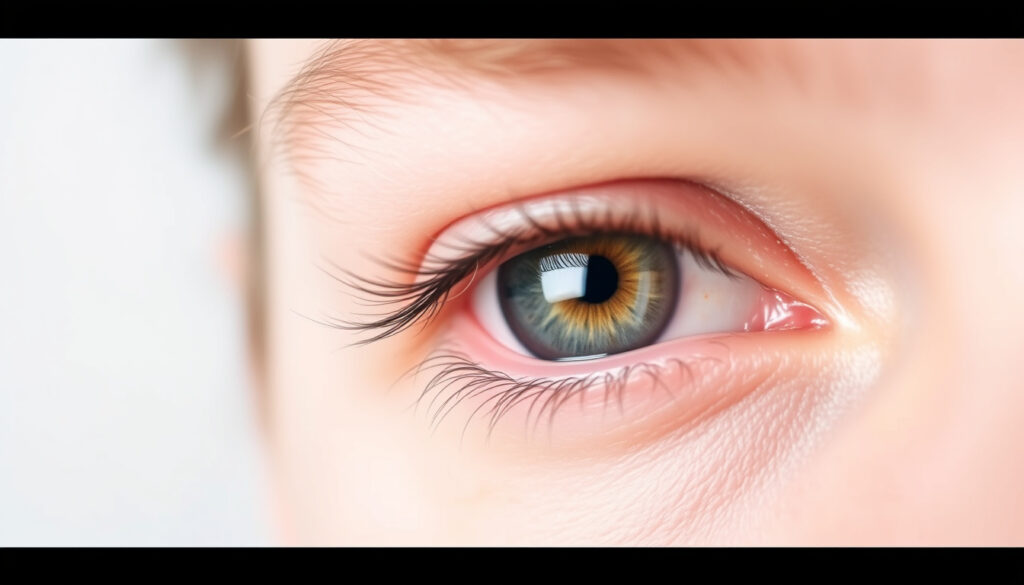
Why Doe My Eye Keep Twitching? Cau e & Treatment
That random flutter in your eyelid is usually a benign muscle spasm called myokymia. Most of the time it’s harmless and temporary, but we’ll walk through common triggers, what unilateral twitching means, and when to see a doctor.
Common causes stress, fatigue, caffeine, eye strain ·
Typical duration a few days to a week ·
When to worry twitching lasting >2 weeks, eye redness, discharge, drooping
Quick snapshot
- Stress and anxiety (Cleveland Clinic (ophthalmology specialty))
- Fatigue and sleep deprivation (Healthline (medical review board))
- Caffeine and alcohol (UCLA Health (eye care experts))
- Eye strain (screens, driving) (Cleveland Clinic) (Cleveland Clinic (ophthalmology specialty))
- Dry eyes or irritation (Healthline) (Cleveland Clinic (ophthalmology specialty))
- Reduce caffeine and alcohol (MyHealth Alberta (public health authority))
- Get enough sleep (Cleveland Clinic) (MyHealth Alberta (public health authority))
- Use warm compresses (Healthline) (MyHealth Alberta (public health authority))
- Artificial tears for dry eyes (UCLA Health) (MyHealth Alberta (public health authority))
- Take screen breaks (Healthline) (MyHealth Alberta (public health authority))
- Twitching lasts more than 2 weeks (Cleveland Clinic)
- Eye redness, discharge, or drooping (UCLA Health)
- Twitching spreads to other facial muscles (Healthline)
- Vision changes or headache (Cleveland Clinic)
- Myth: Eye twitching means a stroke. Fact: Isolated twitching is not a stroke symptom (UCLA Health)
- Myth: It’s always serious. Fact: Over 95% of cases are benign (Cleveland Clinic)
- Myth: Only the right eye has meaning. Fact: No scientific basis for right vs. left eye meanings (Healthline)
Two common patterns emerge when comparing triggers and remedies across medical sources: most twitching stems from lifestyle factors, and the same steps that reduce stress also calm the eyelid.
| Fact | Detail |
|---|---|
| Medical term | Myokymia (benign eyelid twitching) |
| Typical duration | Minutes to days; rarely persists beyond a week |
| Common triggers | Stress, fatigue, caffeine, eye strain, dry eyes |
| Self-care | Reduce triggers, warm compresses, rest |
| Red flags | Twitching >2 weeks, eye redness, discharge, drooping |
What does it mean if only one eye twitches?
Unilateral twitching is usually benign myokymia, a harmless spasm of the eyelid muscle. According to UCLA Health (ophthalmology department), ocular myokymia is benign and does not lead to other problems. The key is recognizing when it signals something else.
Benign myokymia vs. other conditions
- Myokymia: brief, repetitive twitching limited to eyelid, usually resolves on its own. (Cleveland Clinic)
- Blepharospasm: involuntary eyelid closure that typically affects both eyes. (UCLA Health)
- Hemifacial spasm: twitching that involves the whole side of the face, not just the eyelid. (Healthline)
Common triggers for unilateral twitching
- Stress and anxiety (Healthline)
- Fatigue or sleep deprivation (Cleveland Clinic)
- Caffeine consumption (UCLA Health)
- Eye strain from screens or driving (Healthline)
The implication: a single twitching eye is almost never a cause for alarm, but if the spasm spreads beyond the eyelid, it warrants a closer look.
How do I get an eye to stop twitching?
Most cases resolve with simple home care. Healthline (medical review board) notes that reducing caffeine, getting adequate sleep, using artificial tears, and applying a warm compress are effective first steps.
Immediate home remedies
- Apply a warm compress to the eyelid for 5–10 minutes (Healthline)
- Use artificial tears if eyes feel dry (UCLA Health)
- Cut back on caffeine and alcohol for a day or two (Cleveland Clinic)
- Take a short break from screens every 20 minutes (Healthline)
Long-term prevention strategies
- Prioritize 7–9 hours of sleep per night (Cleveland Clinic)
- Manage stress with exercise or relaxation techniques (UCLA Health)
- Limit daily caffeine to 200–300 mg (Healthline)
- Use blue light filters on screens (Cleveland Clinic)
For most people, cutting caffeine and getting one good night’s sleep is enough to stop the twitch within 48 hours. If it doesn’t, the pattern shifts from annoyance to a potential signal.
The catch: these remedies work for benign myokymia, but if the twitching persists despite lifestyle changes, it may indicate a different condition.
Should you worry about eye twitching?
Most eye twitching is harmless, but Cleveland Clinic (neurology and ophthalmology experts) outlines specific red flags that require medical evaluation.
Red flags that require medical attention
- Twitching lasts more than 2 weeks (UCLA Health)
- Eye redness, swelling, or discharge (Cleveland Clinic)
- Eyelid drooping or twitching that spreads to other facial muscles (Healthline)
- Vision changes or severe headache (UCLA Health)
When it is safe to wait and self-treat
- Twitching is mild and intermittent (Cleveland Clinic)
- You can identify a lifestyle trigger (stress, caffeine, lack of sleep) (Healthline)
- No other symptoms are present (UCLA Health)
- It resolves within a week of home care (MyHealth Alberta)
Why this matters: benign twitching is incredibly common, but ignoring red flags can delay diagnosis of conditions like blepharospasm or hemifacial spasm.
Is eye twitching a sign of a stroke?
No—isolated eye twitching is not a stroke symptom. UCLA Health (stroke and neurology experts) emphasizes that stroke presents with facial droop, arm weakness, or speech difficulty, not just an eyelid twitch.
Stroke symptoms vs. isolated eye twitching
- Stroke: sudden numbness or weakness on one side of the body, confusion, trouble speaking, severe headache. (Healthline)
- Eye twitch: brief, repetitive spasm confined to eyelid, no other neurological signs. (Cleveland Clinic)
Other serious conditions that cause eye twitching
- Hemifacial spasm: twitching spreads to the cheek and mouth (UCLA Health)
- Bell’s palsy: sudden weakness or paralysis on one side of the face (Healthline)
- Blepharospasm: involuntary eye closure, often both eyes (Cleveland Clinic)
- Multiple sclerosis (rare): can cause eye twitching along with other neurological symptoms (UCLA Health)
If your eye twitch is accompanied by any other neurological symptom—facial droop, slurred speech, vision loss—call 911 immediately. But a twitch alone? It’s almost certainly not a stroke.
The pattern: the absence of other neurological signs is the strongest indicator that the twitch is benign.
Why does my eye keep twitching for days?
Prolonged eye twitching often points to cumulative triggers like fatigue, eye strain, or sustained caffeine intake. Healthline notes that persistent twitching may be a sign of benign essential blepharospasm, especially if it lasts for weeks.
Prolonged twitching causes
- Sleep deprivation over multiple days (Cleveland Clinic)
- Continuous screen time without breaks (UCLA Health)
- High stress levels sustained over a week (Healthline)
- Dry eye syndrome (Cleveland Clinic)
When twitching lasts days: self-care and when to see a doctor
- Try lifestyle changes for 2 weeks: limit caffeine, prioritize sleep, reduce screen time (UCLA Health)
- Use warm compresses and artificial tears (Healthline)
- Seek evaluation if twitching persists beyond 2 weeks or is accompanied by redness, pain, or vision changes (Cleveland Clinic)
The trade-off: most people can resolve a two-day twitch on their own, but for those whose twitching becomes a daily companion, a doctor can rule out blepharospasm or other conditions.
Step-by-step relief
- Stop caffeine – Cut all caffeine for 24 hours. Many cases resolve by this alone. (Cleveland Clinic)
- Get extra sleep – Aim for 8–9 hours for two consecutive nights. (Healthline)
- Warm compress – Apply a clean cloth soaked in warm water for 5–10 minutes, 3 times a day. (UCLA Health)
- Artificial tears – Use preservative-free drops if eyes feel dry. (MyHealth Alberta)
- Screen breaks – Follow the 20-20-20 rule: every 20 minutes, look 20 feet away for 20 seconds. (Healthline)
These steps cover the most effective self-care measures for benign twitching.
Clarity breakdown
Confirmed facts
- Stress and fatigue are common triggers. (Cleveland Clinic)
- Caffeine and alcohol can worsen twitching. (UCLA Health)
- Most eye twitching is benign and self-resolving. (Healthline)
- Unilateral twitching is usually myokymia. (UCLA Health)
What’s unclear
- Exact physiological mechanism of myokymia is not fully understood. (Cleveland Clinic)
- Role of nutritional deficiencies (e.g., magnesium) is debated. (Healthline)
- Prevalence of eye twitching in the general population is not precisely known. (UCLA Health)
These distinctions help separate well-supported claims from areas still under investigation.
Expert perspectives
Most eye twitching is benign and temporary, often linked to sleep deprivation, stress, or caffeine.
Cleveland Clinic (ophthalmology specialists)
Occasional eye twitches are common, while more frequent twitching may indicate benign essential blepharospasm.
Both perspectives reinforce that context matters—benign twitching is normal, but persistence or additional symptoms warrant attention.
For anyone dealing with a persistent eye twitch, the choice is clear: try simple lifestyle adjustments first—cut caffeine, get more sleep, use warm compresses. If the twitch continues beyond two weeks or is accompanied by redness, discharge, or drooping, seek medical evaluation. Otherwise, trust that your eyelid is just having a small, harmless spasm that will pass on its own.
acuvue.com, southwesteye.com, drmcdevitteyecare.com, danielezra.co.uk
If you’re wondering why your eye keeps twitching, it’s usually due to lifestyle factors like stress and caffeine, and you can learn more about why your eye keeps twitching and simple remedies to stop it.
Frequently asked questions
Can lack of sleep cause eye twitching?
Yes. Sleep deprivation is one of the most common triggers. Aim for 7–9 hours per night to reduce twitching. (Cleveland Clinic)
Does caffeine make eye twitching worse?
Yes. Caffeine is a stimulant that can increase muscle spasms. Reducing or eliminating caffeine often stops the twitch. (Healthline)
How long does an eye twitch usually last?
Most twitches last a few minutes to a few days. Rarely, they persist for a week or longer. (UCLA Health)
Can eye twitching be a sign of multiple sclerosis?
In rare cases, yes. MS can cause eye twitching, but it is usually accompanied by other neurological symptoms like vision loss, numbness, or weakness. (Healthline)
Is eye twitching linked to magnesium deficiency?
The evidence is debated. Some small studies suggest low magnesium might contribute, but large-scale research is lacking. (Cleveland Clinic)
What is the difference between myokymia and blepharospasm?
Myokymia is a brief, harmless twitch of the eyelid muscle. Blepharospasm is a more severe condition involving involuntary eyelid closure that often affects both eyes. (UCLA Health)
Can stress cause eye twitching?
Yes. Stress and anxiety are common triggers. Managing stress through relaxation techniques can help reduce twitching. (Healthline)
Should I stop wearing contact lenses if my eye twitches?
If your eyes feel dry or irritated, give your eyes a break by wearing glasses for a day. Use artificial tears to keep lenses comfortable. (MyHealth Alberta)
More related posts
 Why Do Coins Have Ridges? History and Real Reasons
 Best Universities in USA: Rankings, Prestige & Selectivity
 White Smoke From Exhaust? Causes, Diagnosis, and How to Fix It
 La Vida es Bella Perfume: Dupe, Scent & Age Suitability
 Who Is the New Pope? Leo XIV (Robert Prevost) Explained
 Foot Doctor Near Me – Podiatrists in Beaver County PA
 Chainsaw Man Season 2: Release, News, and Guide
 Conrad the Summer I Turned Pretty – Character Guide and Backstory