Where Is the Pancreas Located? Anatomy, Pain, and Early Signs
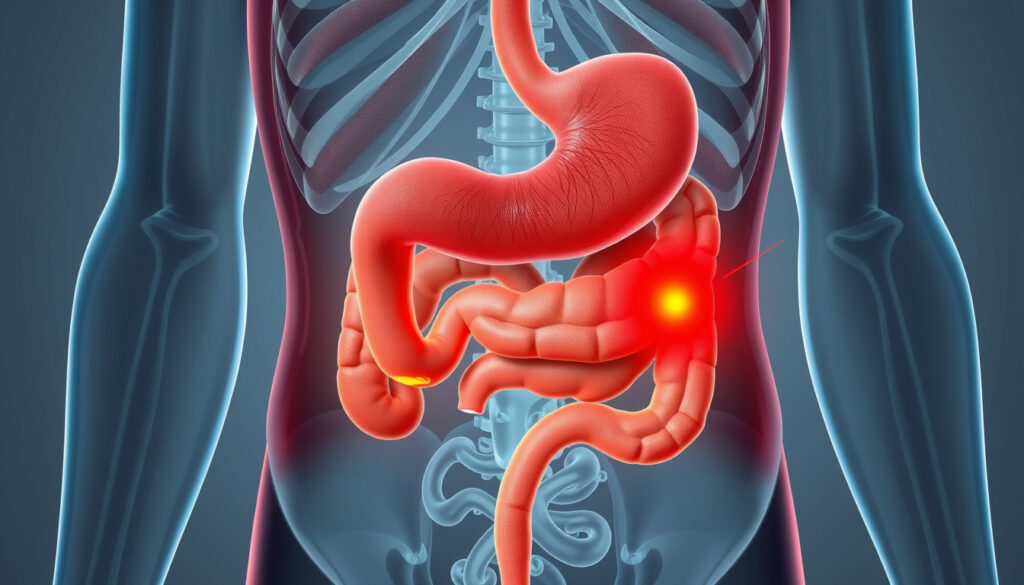
You’ve probably never given a second thought to where your pancreas sits — until you or someone you know felt a strange pain in the upper belly. This fist-sized organ, about 6 inches long, is tucked behind your stomach and in front of your spine, straddling the midline of your abdomen (Macmillan Cancer Support (U.K. cancer charity)), and understanding its exact position is a practical first step to interpreting pancreatic pain and recognizing early warning signs.
Length of pancreas: 6 inches (15 cm) ·
Weight of pancreas: 70–100 grams ·
Location: Retroperitoneal, upper abdomen ·
Key functions: Digestion & blood-sugar regulation ·
Endocrine islet cells: ~1–2 million
Quick snapshot
- Retroperitoneal organ behind the stomach, in front of the spine (Cleveland Clinic (U.S. academic hospital))
- Head lies on the right side near duodenum; tail extends left toward spleen (Columbia Surgery (academic medical center))
- Produces digestive enzymes and hormones insulin & glucagon (Pancreatic Cancer Action Network (patient advocacy))
- Exact location of pain can vary widely between individuals (NHS (U.K. national health service))
- Mild pancreatitis can mimic indigestion or gallbladder pain (Harvard Health (university medical publisher))
- Early pancreatic cancer may present with no symptoms at all (National Cancer Institute (U.S. government agency))
- Acute pancreatitis: sudden, severe upper abdominal pain (NHS (U.K. national health service))
- Chronic pancreatitis: dull, persistent pain that may last months (NIDDK (U.S. federal research institute))
- Pancreatic cancer: often silent until jaundice or weight loss appear (Macmillan Cancer Support (U.K. cancer charity))
- Seek urgent care if you have sudden severe upper abdominal pain (NHS 111 Wales (emergency health service))
- Lifestyle steps: avoid alcohol, stop smoking, maintain healthy weight (American Gastroenterological Association (professional society))
- Monitor for jaundice, unexplained weight loss, or new diabetes (Johns Hopkins Pathology (academic medical center))
The following table summarizes key pancreatic anatomy details.
| Property | Details |
|---|---|
| Size | About 6 inches (15 cm) long |
| Shape | Flat, pear-like |
| Location in abdomen | Retroperitoneal, behind stomach, in front of spine |
| Sides | Head on right (near duodenum), tail on left (near spleen) |
| Main function | Digestion (enzymes) and blood sugar regulation (insulin) |
Where is the pancreas located left or right?
Anatomical position: retroperitoneal behind the stomach
- The pancreas sits deep in the upper abdomen, behind the stomach and in front of the spine (Macmillan Cancer Support (U.K. cancer charity)).
- It is surrounded by the liver, gallbladder, and spleen (Cleveland Clinic (U.S. academic hospital)).
- The organ is retroperitoneal, meaning it lies behind the peritoneum, the membrane lining the abdominal cavity (Johns Hopkins Pathology (academic medical center)).
Does the pancreas sit on the left or right side?
- It straddles the midline: the head is on the right side (nestled against the duodenum), and the tail extends to the left side (near the spleen) (Columbia Surgery (academic medical center)).
- One common description places the pancreas in the upper left abdomen, reflecting where the bulk of the organ is felt during pain (Cleveland Clinic (U.S. academic hospital)).
Which quadrant of the abdomen contains the pancreas?
- The pancreas is primarily in the left upper quadrant, but its head crosses into the right upper quadrant (Study.com (educational platform)).
- Standard anatomy teaching places it in the upper abdomen, not the lower quadrants (SimpleNursing (nursing education)).
Because the pancreas stretches across the midline, pain can be felt centrally, on the left, or even on the right. That spread often confuses patients — and sometimes doctors — leading to misdiagnosis as heartburn or gallbladder issues.
The implication: Understanding the pancreas’s cross-midline position helps explain why pain referral patterns are so variable, and why relying on a single quadrant for diagnosis can be misleading.
What are the signs something is wrong with your pancreas?
What are the early signs of pancreas problems?
- Upper abdominal pain that radiates to the back is a classic early sign of pancreatitis (NHS (U.K. national health service)).
- Nausea, vomiting, fever, and a rapid pulse can accompany acute inflammation (NHS 111 Wales (emergency health service)).
- Jaundice (yellow skin or eyes), unexplained weight loss, and pale stools may signal pancreatic cancer (National Cancer Institute (U.S. government agency)).
What does pancreatitis feel like when it first starts?
The onset is often sudden. Acute pancreatitis usually causes severe pain at the top of the tummy that may go through to the back (Frimley Health NHS Foundation Trust (U.K. hospital trust)). The pain can be so intense that bending forward or sitting upright offers some relief.
What are the five signs of pancreatitis?
Medical guidelines highlight a triad of hallmark signs: sudden severe upper abdominal pain, nausea or vomiting, and fever. Many patients also report a rapid pulse and tenderness when the abdomen is pressed (NIDDK (U.S. federal research institute)). Additional signs include back pain and bloating.
The mix of symptoms — upper abdominal pain, back referral, vomiting — often overlaps with gallbladder attacks or ulcers. The single best clue is that pancreatic pain worsens after eating and when lying flat, a pattern less common in other conditions (Harvard Health (university medical publisher)).
The pattern: Recognizing this positional worsening can help patients and clinicians narrow the differential diagnosis toward the pancreas sooner.
What is the pancreas and what does it do?
Pancreas function: exocrine and endocrine roles
- The pancreas has two main jobs: exocrine (releasing digestive enzymes) and endocrine (producing hormones) (Columbia Surgery (academic medical center)).
- Exocrine cells secrete enzymes that break down fats, proteins, and carbohydrates in the small intestine (Macmillan Cancer Support (U.K. cancer charity)).
- Endocrine islets (islets of Langerhans) produce insulin and glucagon to regulate blood glucose (Cleveland Clinic (U.S. academic hospital)).
How does the pancreas aid digestion?
Each day the pancreas makes about 1–1.5 liters of pancreatic juice, rich in enzymes and bicarbonate. The bicarbonate neutralizes stomach acid as it enters the duodenum, creating the right pH for enzymes to work (NIDDK (U.S. federal research institute)).
How does the pancreas regulate blood sugar?
Beta cells in the islets release insulin when blood sugar rises, telling cells to absorb glucose. Alpha cells release glucagon when blood sugar falls, prompting the liver to release stored glucose (Pancreatic Cancer Action Network (patient advocacy)).
The pancreas acts as both a digestive chemical factory and a hormone control center. Damage to either function — from inflammation or tumor — can trigger cascading problems with nutrition metabolism and blood sugar stability.
The implication: Any disruption to pancreatic function can have dual consequences, affecting both digestion and glucose regulation simultaneously.
Where will you feel pancreas pain?
Typical location of pancreatic pain
- Pancreatic pain is usually felt in the upper abdomen, often radiating to the back (NHS (U.K. national health service)).
- Harvard Health notes the pain is typically central under the ribs but can be felt on either the left or right side (Harvard Health (university medical publisher)).
- Pain may worsen after eating or when lying flat (Frimley Health NHS Foundation Trust (U.K. hospital trust)).
How pancreatic pain differs from other abdominal pain
Unlike gallbladder pain (typically right upper quadrant) or gastric ulcer pain (often burning and relieved by food), pancreatic pain is deeper, more constant, and often accompanied by back referral. Acute pancreatitis pain is sudden and severe; chronic pancreatitis pain is dull and persistent (NHS (U.K. national health service)).
When to seek medical attention for pancreas pain
- Severe pain that comes on suddenly and prevents you from sitting still.
- Pain accompanied by fever, nausea, vomiting, or jaundice.
- Abdominal pain that radiates to the back and lasts more than a few hours (NHS 111 Wales (emergency health service)).
The catch: Because pancreatic pain overlaps with other conditions, the combination of back radiation and positional worsening is the most specific clue to prioritize the pancreas.
How can you support pancreatic health?
What helps the pancreas repair itself?
- Avoiding alcohol and smoking significantly reduces pancreatitis risk (NIDDK (U.S. federal research institute)).
- A low-fat diet and maintaining a healthy weight support pancreatic function (American Gastroenterological Association (professional society)).
- Managing blood sugar is key for those with previous pancreatitis or at risk for diabetes (Pancreatic Cancer Action Network (patient advocacy)).
Lifestyle measures for pancreas health
A Mediterranean-style diet rich in fruits, vegetables, and healthy fats appears protective. Staying hydrated and avoiding heavy alcohol binges are concrete steps anyone can take. No supplement has been proven to “cleanse” the pancreas, despite marketing claims.
What are the warning signs of pancreatic cancer?
How long can you have pancreatic cancer without knowing?
Pancreatic cancer often has no early symptoms, or the symptoms are so vague — fatigue, loss of appetite — that they are easily ignored. By the time jaundice or significant weight loss appears, the tumor is often advanced (National Cancer Institute (U.S. government agency)).
Early signs of pancreatic cancer
- Jaundice (yellowing of skin/eyes) when the tumor blocks the bile duct.
- Unexplained weight loss and loss of appetite.
- New-onset diabetes in people over 50 without other risk factors can be a red flag (Johns Hopkins Pathology (academic medical center)).
- Pale or greasy stools (steatorrhea) due to poor fat digestion.
Because early pancreatic cancer is silent, any persistent change in digestion, unexpected weight loss, or yellowing warrants prompt medical evaluation — even if there’s no pain.
The implication: Absence of pain does not rule out pancreatic pathology; non-pain symptoms like jaundice or new diabetes should trigger imaging.
“Pancreatitis pain is usually central under the ribs but can be felt on either the left or right side.”
Harvard Health (university medical publisher)
“The pancreas sits behind the stomach and is surrounded by the liver, gallbladder, and spleen.”
Cleveland Clinic (U.S. academic hospital)
“Acute pancreatitis causes severe pain at the top of the tummy that may go through to the back.”
“Chronic pancreatitis pain may be in the upper abdomen, one side of the abdomen, or the whole abdomen.”
NHS (U.K. national health service)
The pattern is clear: the pancreas’s position — deep, central, crossing midline — explains why its pain can radiate unpredictably. For anyone experiencing persistent upper abdominal discomfort, especially with back pain, the pancreas should be high on the list of suspects. Early diagnosis can dramatically change outcomes, particularly for pancreatitis where timely treatment reduces complications.
Related reading: Lower Back Pain Causes: Common Causes, Red Flags, and Relief
Understanding exactly where the pancreas sits in the abdomen can help you interpret early discomfort, as detailed in this guide on pancreas location and pain.
Frequently asked questions
Is your pancreas on your right or left side?
The head of the pancreas is on the right side near the duodenum, and the tail extends to the left side near the spleen. So the organ spans both sides, crossing the midline of the upper abdomen.
Where is pancreas pain usually felt?
Pancreatic pain is typically felt in the upper abdomen, often radiating to the back. It can be central, left-sided, or right-sided depending on which part of the pancreas is affected.
Can you live without a pancreas?
Yes, but you will require lifelong enzyme replacement therapy and insulin injections because the pancreas’s digestive and blood-sugar regulating functions are essential for survival.
What are the three main functions of the pancreas?
The pancreas produces digestive enzymes, secretes bicarbonate to neutralize stomach acid, and releases insulin and glucagon to regulate blood sugar.
How do you check if your pancreas is healthy?
Blood tests measuring amylase and lipase levels check for inflammation. Imaging (CT, MRI, endoscopic ultrasound) can visualize structure. A glucose tolerance test assesses endocrine function.
What is the difference between pancreatitis and pancreatic cancer symptoms?
Pancreatitis usually causes sudden severe pain with vomiting; pancreatic cancer often causes painless jaundice, weight loss, and new-onset diabetes. Both can cause back pain.
Can pancreatitis be cured?
Acute pancreatitis can resolve with supportive care (fasting, IV fluids). Chronic pancreatitis is manageable but not curable; treatment focuses on pain control, enzyme replacement, and lifestyle changes.
What quadrant is the pancreas in?
The pancreas is primarily in the left upper quadrant, but its head crosses into the right upper quadrant. It does not reside in the lower quadrants.
For someone waking up with gnawing upper abdominal pain, knowing that the pancreas lies deep and central can steer them toward the right diagnostic tests — a lipase blood draw and a CT scan — instead of waiting for a gallbladder workup that might miss the real culprit. The trade-off is clear: treat the pancreas as a prime suspect early, or risk delayed treatment for pancreatitis or pancreatic cancer.
More related posts
 Badlands Ranch Dog Food – Review Ingredients Nutrition Safety
 Who Won the Kentucky Derby – 2024 Winner and Race Recap
 What time is it in Arizona? Current local time guide
 Does David Bromstad Have a Twin Brother? Older Dean Bromstad
 Pain on Left Side of Stomach – Causes, Symptoms and When to See a Doctor
 Rug Cleaning Near Me – Costs, Methods and Local Tips
 Spider-Man Beyond the Spider-Verse Release Date – June 25 2027 Confirmed
 Anne Frank House Tickets – How to Book, Prices and Tips