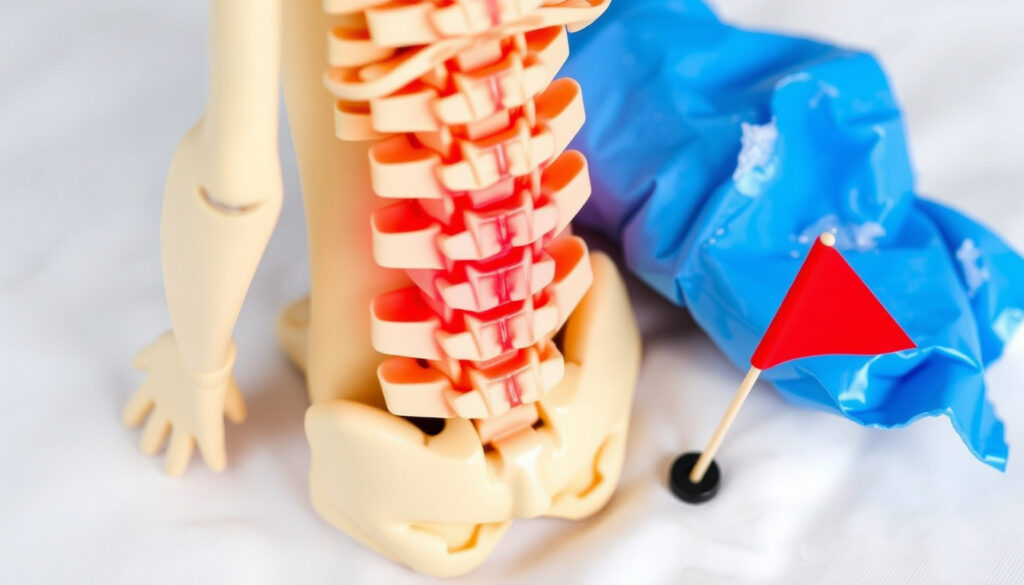
Lower Back Pain Causes: Common Causes, Red Flags, and Relief
It starts as a nagging ache after a long day of sitting, or a sudden sharp stab when you bend to pick something up. Lower back pain is so common that nearly everyone will experience it at some point — but the real challenge is knowing whether it’s a pulled muscle or a signal of something deeper.
Adults affected globally each year: 80% · Leading cause of disability worldwide: World Health Organization · Annual healthcare cost in the U.S.: $100 billion · Most cases resolve within 6 weeks: 90%
Quick snapshot
- Muscle or ligament strain is the most common cause of acute lower back pain (NICE guideline NG59)
- Red flags include bladder/bowel dysfunction, fever, unexplained weight loss, and trauma (Consultant360)
- Up to 85% of cases have no identifiable cause (NICE NG59)
- Individual response to treatments like exercise or NSAIDs varies widely (Consultant360)
- Typical recovery for acute episodes: 4–6 weeks (NICE NG59)
- 60–80% of people have a recurrence within one year (Harvard Health)
- Start with self-care: ice/heat, gentle movement, OTC NSAIDs (NICE NG59)
- If red flags appear or pain persists >6 weeks, seek medical evaluation (Consultant360)
Four key data points illustrate how common and costly lower back pain is, and how quickly most people recover.
| Fact | Value |
|---|---|
| Most common cause of disability | Lower back pain (World Health Organization (WHO)) |
| Annual US prevalence | 25% of adults report at least 1 day of back pain in 3 months (CDC) |
| Recurrence rate | 60–80% within 1 year (Consultant360) |
| Average recovery time for acute episodes | 4–6 weeks (NICE guideline NG59) |
When to Worry About Low Back Pain?
Most back pain is mechanical and self‑limiting, but certain features—called red flags—raise the chance of a serious underlying cause. The key is knowing which signs warrant urgent care.
What are 5 red flags of low back pain?
- Cauda equina syndrome – Saddle anesthesia, bladder/bowel incontinence, or severe neurologic deficit. Requires immediate emergency care. (Consultant360)
- Fever, chills, or unexplained weight loss – May indicate infection or tumor. (Consultant360)
- Major trauma or injury – Fracture risk increases, especially in older adults. (NICE NG59)
- Bladder or bowel dysfunction – A red flag for cauda equina syndrome. (Consultant360)
- Pain radiating below the knee or causing numbness – Suggests nerve root compression like sciatica. (NICE NG59)
How do I tell if my lower back pain is serious?
Ask yourself three questions: Does the pain follow trauma? Is it accompanied by fever, chills, or weight loss? Are you having trouble controlling your bladder or bowel? If yes to any, you need immediate medical evaluation. If the pain is a steady ache without those signs, it’s almost certainly mechanical — try self‑care first. (Consultant360)
For the vast majority of people, the underlying cause of low back pain never matters as much as the recovery plan — up to 85% of diagnoses remain idiopathic even after imaging. (NICE guideline NG59)
The implication: Red-flag screening matters far more than hunting for a specific diagnosis in most cases.
What Causes Lower Back Pain?
The spectrum ranges from everyday mechanical problems to systemic diseases and lifestyle factors. The table below groups the most frequent categories.
| Category | Common Causes |
|---|---|
| Mechanical (most common) | Muscle strain, ligament sprain, herniated disc, spinal stenosis, osteoarthritis (NICE NG59) |
| Systemic / referred | Kidney stones, pyelonephritis, pancreatitis, endometriosis, prostatitis, aortic aneurysm (Consultant360) |
| Lifestyle / modifiable | Poor posture, sedentary behavior, obesity, smoking, heavy lifting (CDC) |
What causes lower back pain in females?
- Reproductive system – Endometriosis, ovarian cysts, menstrual cramps, pregnancy (Harvard Health)
- Kidney and urinary – Urinary tract infections, kidney stones (pain radiates to flank) (WebMD)
- Musculoskeletal – Muscle strain, disc problems (same as general population) (NICE NG59)
What causes lower back pain in males?
- Prostatitis – Inflammation of the prostate can refer pain to the lower back (National Kidney Foundation)
- Heavy lifting / physical labor – Occupational strain is a top cause (CDC)
- Spinal stenosis and herniated discs – More common in men than women (Consultant360)
Can kidney problems cause lower back pain?
Yes, but it’s a specific kind of pain. Kidney pain is usually felt in the flank (side, just below the ribs) and may spread to the abdomen or groin. It’s often wave‑like, sharp, and intense — not a steady dull ache. Infection or stones usually cause symptoms. The National Kidney Foundation states that the most common cause of back pain is muscle or spine disease, not kidney disease. (National Kidney Foundation; Harvard Health)
What causes lower back pain in teenagers?
- Sports injuries – Strains, sprains, and stress fractures (spondylolysis) (Consultant360)
- Poor posture – Heavy backpacks and prolonged sitting (CDC)
- Serious causes are rare – But red‑flag screening includes age < 18 (NICE NG59)
If back pain occurs with fever, nausea, or urinary symptoms, think kidney infection — not just a strain. Pyelonephritis requires antibiotics, not rest. (WebMD)
The pattern: Kidney-related back pain announces itself with distinct accompanying symptoms that differ from mechanical back pain.
How to Make Lower Back Pain Go Away?
For the vast majority of episodes, self‑care and time are the most effective interventions. Here’s what evidence supports.
What are remedies for lower back pain in females?
- Heat and ice – Ice for acute inflammation (first 48 h), then heat for muscle relaxation (NICE NG59)
- Over‑the‑counter NSAIDs – Ibuprofen or naproxen reduce pain and inflammation (Consultant360)
- Gentle movement – Walking, stretching, and avoiding prolonged bed rest (> 24 h) (NICE NG59)
- Core strengthening – The McGill Big 3 exercises (see next section) (Harvard Health)
- Address female‑specific factors – If pain is linked to menstruation or endometriosis, a gynecologist may help (Mayo Clinic)
What are the big 3 for lower back pain?
The Big 3 were developed by spine biomechanist Dr. Stuart McGill to build core endurance without aggravating pain. They are part of a comprehensive approach to rehabilitation.
- Curl‑up – Lie on back, one knee bent, lift shoulders slightly off the floor. Hold 10 seconds. (Harvard Health)
- Side plank – Support body on elbow and feet, hold straight line. Start with 10 seconds per side. (Consultant360)
- Bird dog – On hands and knees, extend opposite arm and leg simultaneously. Hold 8 seconds. (Harvard Health)
Perform with controlled breathing and stop if pain increases. The goal is endurance, not strength — build up to 8‑10 repetitions per exercise. (Consultant360)
Sudden Lower Back Pain: Causes and When to Seek Help
When pain hits suddenly, it’s usually mechanical — a muscle spasm or ligament sprain. But certain scenarios need immediate medical attention.
- Acute muscle strain – Most common; triggered by a lift, twist, or fall (NICE NG59)
- Vertebral compression fracture – More likely in older adults with osteoporosis (Consultant360)
- Kidney stone – Sharp, colicky pain that radiates to the groin (WebMD)
- Ovarian cyst rupture / ectopic pregnancy – Female‑specific emergencies that cause sudden severe lower back or pelvic pain (Mayo Clinic)
What causes sudden lower back pain in females?
In addition to the general causes, females may experience sudden onset from an ovarian cyst rupture, ectopic pregnancy, or a kidney stone that mimics pelvic pain. If the pain is accompanied by shoulder pain, dizziness, or vaginal bleeding, seek emergency care. (Mayo Clinic)
For sudden back pain without red flags, the best first move is an ice pack, ibuprofen, and walking gently. If it doesn’t improve in a week—or if it gets worse—see a physician. (NICE NG59) If your back pain persists or worsens, consult a physician, and for more information on managing back pain, explore resources on how to lower blood pressure.
The catch: Time is the best diagnostic tool — if self-care doesn’t resolve symptoms within a week, the cause may be more than a simple strain.
What’s Clear, What’s Not
Confirmed facts
- Muscle strain is the leading cause of acute lower back pain (NICE NG59)
- Red flags (fever, weight loss, bowel/bladder changes) indicate need for urgent medical evaluation (Consultant360)
- Kidney stones cause flank pain that is distinct from typical low back pain (National Kidney Foundation)
What remains unclear
- Exact cause remains idiopathic in up to 85% of cases (NICE NG59)
- Effectiveness of specific treatments varies widely between individuals (Consultant360)
- The McGill Big 3 exercises improve core stability, but individual response to them varies (Harvard Health)
- Whether screening imaging (X‑ray, MRI) improves long‑term outcomes remains debated (Consultant360)
Expert Perspectives
Two leading medical institutions summarize the evidence concisely.
“Lower back pain often results from a strain (injury) to the muscles or tendons in the back. The most common cause is a sudden, awkward movement or repetitive heavy lifting.”
“Repeated heavy lifting or a sudden awkward movement can strain back muscles and spinal ligaments. If you’re in poor physical condition, constant strain on your back can cause painful muscle spasms.”
Mayo Clinic (nonprofit medical research center)
The consensus across both institutions: mechanical causes dominate, and prevention through proper body mechanics is the cornerstone of management.
Frequently asked questions
Can stress cause lower back pain?
Yes. Chronic stress can lead to muscle tension in the back, increasing the risk of pain. Emotional stress may also worsen perception of pain. (Harvard Health)
Is lower back pain a sign of cancer?
Rarely. But a history of cancer (breast, lung, prostate, etc.) combined with new back pain should be evaluated. Unexplained weight loss and night sweats are additional red flags. (Consultant360)
Does sitting too long cause lower back pain?
Prolonged sitting, especially with poor posture, increases pressure on spinal discs and can lead to muscle deconditioning. Taking breaks to stand and stretch every 30 minutes helps. (CDC)
Can kidney stones cause lower back pain?
Yes. Kidney stones typically cause sudden, sharp flank pain that can radiate to the lower back and groin. The pain often comes in waves. (WebMD)
What is the difference between acute and chronic lower back pain?
Acute back pain lasts less than 6 weeks and usually resolves with conservative care. Chronic back pain persists longer than 12 weeks, often requiring a multidisciplinary approach. (NICE NG59)
Related reading
- Pain on Left Side of Stomach – Causes, Symptoms and When to See a Doctor
- Dexa Scan Near Me – Clinics, Costs, Preparation Guide
For the millions of people who experience lower back pain each year, the choice is often between waiting it out or seeking help. The evidence‑backed path is clear: trust your body’s red flags, use self‑care as your first line of defense, and if pain persists beyond a few weeks, get a professional evaluation — because the cost of ignoring a kidney stone or a fracture is far higher than the inconvenience of a doctor’s visit.
More related posts
 Temp Agency Near Me: Best Temp Agencies in Ireland & Pay Guide
 Sabrina Carpenter Album Cover: Controversy, Meaning & Backlash
 Printable Monthly Calendar 2024 – Free PDF Downloads and Templates
 Jason Lee Movies and TV Shows: Career Guide
 Simple Trick to Cure ED: 5 Evidence-Based Steps That Actually Work
 Sphere Las Vegas Tickets 2026: Prices & Best Seats
 Jura ic World Movie in Order: Relea e & Timeline Guide
 Does Target Price Match – What You Need to Know