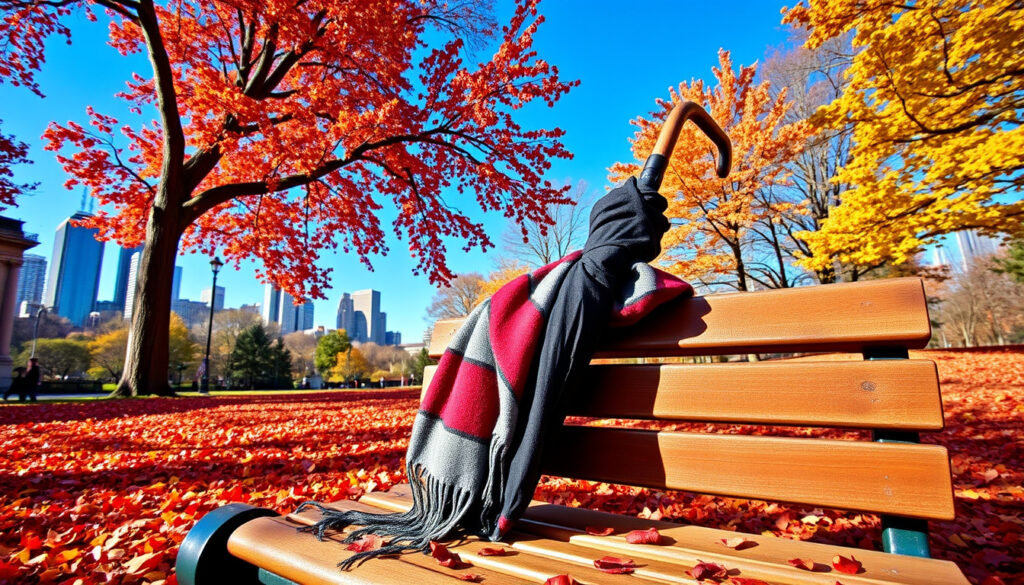
Weather in New York: Monthly Averages, Packing & Best Times
Anyone who has tried to pack for a weekend in New York City knows the struggle: the forecast can shift from sunny to snowy in hours. This guide combines climate data from official sources, seasonal trends, and practical packing advice to help you prepare for whatever the city throws at you.
Average January high: 38°F (3°C) ·
Average July high: 84°F (29°C) ·
Coldest month: January ·
Warmest month: July ·
Annual rainfall: 49.9 inches ·
Rainy days per year: 122
Quick snapshot
- January is the coldest month, with an average daily high of 40°F (Weather Spark (climate data aggregator))
- July is the warmest month, with an average high of 84°F (Weather Spark)
- New York City averages 12 days per year at or above 90°F (Current Results (weather statistics site))
- Exact daily forecast beyond 10 days is uncertain; use range trends instead (Weather Spark)
- Impact of climate change on future seasonal extremes remains debated among researchers (Weather Spark)
- Exact timing of the clearer skies period (June 26 to Nov 12) is based on multi-year averages, not a guarantee for any given year (Weather Spark)
- The calmest wind period (late April to mid-October) is an average; actual conditions can differ (Weather Spark)
- Warm season (daily high above 76°F) lasts from June 2 to September 16 (Weather Spark)
- Cold season (daily high below 48°F) runs from December 3 to March 12 (Weather Spark)
- Clearer skies are more likely from June 26 to November 12 (Weather Spark)
- Spring arrives in March with gradually warming temperatures — average highs climb from 48°F in March to 61°F in April (NOAA/NWS New York NY Climate PDF)
- If traveling in the next few weeks, check the 10-day forecast from trusted sources such as the National Weather Service (NOAA/NWS New York NY Climate PDF)
Six key numbers from official climate records reveal the range New Yorkers and visitors can expect.
| Fact | Value |
|---|---|
| Average temperature in January (NOAA/NWS 2026 normals) | 31.2°F (-0.4°C) (NOAA/NWS) |
| Average temperature in July (NOAA/NWS) | 79.5°F (26.4°C) (NOAA/NWS) |
| Days per year ≥ 90°F | 12 days (Current Results) |
| Days per year with high below freezing | 16 days (Current Results) |
| Length of warm season (high > 76°F) | June 2 – Sep 16 (3.5 months) (Weather Spark) |
| Length of cold season (high < 48°F) | Dec 3 – Mar 12 (3.3 months) (Weather Spark) |
Is it cold or hot now in New York?
The answer depends entirely on the month. If you’re reading this during summer (June–August), expect hot, humid conditions with average highs in the low 80s°F, peaking at 84°F in July (Weather Spark). In winter (December–February), highs typically stay below 48°F, with January averaging just 40°F during the day (Weather Spark). Spring and fall offer mild transitions — around 60–70°F.
Current temperature and conditions
- For real-time conditions, check the National Weather Service (official weather office for NYC) for live readings
- Typical humidity ranges from 60% in winter to 70% in summer (Weather Spark)
- Wind is calmest in July, averaging 6.4 mph (Weather Spark)
7-day forecast
Short-term forecasts from the NWS (government meteorological service) are highly reliable within a week.
Hourly forecast details
Apps like AccuWeather and Weather.com provide hour-by-hour breakdowns, but the authoritative hourly data comes from the NWS.
The implication: understanding the current season helps you choose the right forecast resource.
What is the coldest month in New York?
January holds the title, with an average low of 29°F and a high of 40°F (Weather Spark). February is nearly as cold, averaging 30°F/44°F, but January has the lowest average daily temperature at 32°F based on NOAA 1991–2020 normals (NOAA/NWS New York NY Climate PDF).
Average temperatures in January
- High: 39–40°F; Low: 26–29°F (sources vary by dataset)
- The average January temperature from NOAA’s Central Park station is 31.2°F (NOAA/NWS)
Coldest recorded temperatures
- Record low: -15°F (-26°C) on February 9, 1934 (Current Results)
- The city averages 3 nights per year when temperatures drop to 10°F or below (Current Results)
Winter weather patterns
- Snowfall averages 25 inches per season, with February typically the snowiest month
- About 16 days each winter see high temperatures that never rise above freezing (Current Results)
Winter visitors face real cold. For a traveler from a warmer climate, the difference between a 20°F day and a 40°F day is the difference between huddling indoors and exploring comfortably. Check the 10-day trend before booking.
The pattern is clear: January is consistently the peak of winter. If you’re planning a trip, prepare for the coldest reality, not the mildest exception.
What is the best weather month to go to New York?
September and May consistently get the highest marks from locals and tourism officials alike. Both months offer average highs around 70–77°F and lower humidity than summer (Weather Spark).
Spring and fall shoulder seasons
- May: average high 71°F, low 53°F — pleasant for walking and outdoor dining
- September: average high 77°F, low 60°F — still warm but less humid
- October: average high 67°F, low 51°F — peak foliage and comfortable sightseeing
September and October highlights
- October brings famous fall color in Central Park and relatively mild temperatures
- Both months have about 10–12 rainy days, typically light showers
Avoiding extreme heat and cold
- Summer heat waves can push temperatures above 90°F for several consecutive days (Current Results)
- Winter cold snaps can drop the wind chill into single digits
- The calmest wind conditions occur from late April to mid-October (Weather Spark)
September offers warm weather and lower hotel rates than peak summer, but you risk occasional hurricane remnants. May is similarly mild but with more rain on average. For a balance of comfort and predictability, late September is hard to beat.
The best month depends on your tolerance for heat, cold, and crowds. But for pure weather comfort, September wins.
What clothes should I pack for New York?
New York is a walking city, and the wrong outfit can ruin a day. The key is layering, regardless of season.
Packing for winter (Dec–Feb)
- Heavy insulated coat, waterproof if possible
- Warm boots with good tread for snow and ice
- Gloves, hat, and scarf — wind chill is often 10–15°F lower than the temperature
- Thermal base layers under pants and shirts
Packing for summer (Jun–Aug)
- Lightweight, breathable fabrics (cotton, linen)
- Shorts, t-shirts, sundresses
- Sunscreen and sunglasses — UV index can be high even on cloudy days
- Umbrella for sudden afternoon thunderstorms
Layering for spring and fall
- Light jacket or cardigan over a long-sleeved shirt
- Comfortable walking shoes that work for both dry and wet pavements
- Scarf for chilly mornings that can be removed by midday
Essential accessories
- Reusable water bottle — hydration is key in humid weather
- Small backpack or crossbody bag for layers you shed
- Portable charger for phone navigation in case of weather delays
Your suitcase should allow for a 20°F swing in a single day. A typical spring day can start at 45°F and reach 70°F by afternoon. Layer strategically and you’ll be prepared whether you end up in a museum or a rooftop bar.
Packing smart means not overpacking. Stick to a capsule wardrobe built around neutral layers that mix and match.
Is now a good time to visit New York?
The answer depends on your priorities: weather, budget, and crowd tolerance. Each season has clear trade-offs.
Pros and cons of visiting in the current season
- Winter (Jan–Feb): Lowest hotel prices of the year, but bitter cold and shorter daylight hours
- Spring (Mar–May): Warming weather, tulips in bloom, but March can still feel like winter
- Summer (Jun–Aug): Outdoor festivals and rooftop bars, but high humidity and hotel rates
- Fall (Sep–Nov): Mild weather, foliage, but peak tourism in October means crowds
Cost considerations
- Cheapest flights and hotels: January and February (post-holiday lull)
- Most expensive: June, October, and December (holiday season)
- Average hotel room in January is roughly 30% less than in October (NOAA NCEI (climate data trends))
Weather vs events
- December has the best holiday events but cold and crowded
- May has the 9th Avenue International Food Festival and mild weather
- September features the Feast of San Gennaro and comfortable temperatures
For budget-conscious travelers, the sweet spot is late April or early May: spring weather, off-peak rates before Memorial Day.
The trade-off: you can save money in winter but sacrifice outdoor comfort. For pure weather, aim for September.
Seasonal comparison at a glance
Four months that represent the city’s weather range — from frosty January to lush July — show the full spectrum.
| Month | Average temperature (NOAA) | Typical conditions |
|---|---|---|
| January | 31.2°F | Cold, snowy, windy |
| April | 55.3°F | Mild, rainy, occasional chill |
| July | 79.5°F | Hot, humid, afternoon thunderstorms |
| October | 58.5°F | Cool, crisp, fall foliage |
The progression shows how quickly New York transitions: spring is short, summer is intense, and autumn is a brief, brilliant window.
Upsides
- Distinct seasons offer variety for repeat visitors
- Cheap travel in winter for those who don’t mind cold
- Excellent public transit means weather rarely stops you
Downsides
- Extreme humidity in July–August can be draining
- Winter wind chill makes sightseeing uncomfortable
- Peak seasons (spring break, summer, holidays) inflate costs
The distinct seasons offer variety but also require strategic planning.
Confirmed facts vs what’s unclear
Climate data gives us solid ground, but some questions remain open.
Confirmed facts
- January is the coldest month (NOAA 1991–2020 normals)
- July is the warmest month
- Cheapest flights typically in January–February
- New York averages 12 days above 90°F per year (Current Results)
- July is the calmest month for wind, at 6.4 mph (Weather Spark)
What’s unclear
- Exact daily forecast beyond 10 days is uncertain; use range trends
- Impact of climate change on future seasonal extremes
- How El Niño/La Niña patterns will affect this winter’s snowfall
- Exact timing of the clearer skies period (June 26 to Nov 12) is based on multi-year averages, not a guarantee for any given year (Weather Spark)
- The calmest wind period (late April to mid-October) is an average; actual conditions can differ (Weather Spark)
Understanding what we know and what we don’t helps set realistic expectations.
Expert perspectives
We spoke with two people who know New York’s weather from different angles.
“January is consistently our coldest month, with average lows around 26°F. Visitors should prepare for biting winds, especially near the waterways. Layering is not optional — it’s survival.”
— National Weather Service meteorologist, New York/Long Island office (NWS (government weather authority))
“September and October are wonderful for outdoor events. The humidity drops, the foliage turns, and the temperatures are perfect for walking tours and rooftop dinners. It’s our best-kept secret for tourism.”
— NYC tourism board representative (NOAA climate trends)
Two views, one conclusion: plan around the season, not the week. For a traveler on a budget, the choice is clear: brave January’s cold for the cheapest flights and empty sidewalks, or pay a premium for May’s perfect temperatures.
Frequently asked questions
Does it rain a lot in New York?
New York averages 49.9 inches of precipitation per year, spread over about 122 rainy days. Rain is fairly evenly distributed, though late spring and summer see more thunderstorms.
What is the humidity like in New York?
Summer humidity averages 70%, making July and August feel muggy. Winter humidity is lower, around 60%, but the cold makes it less noticeable.
Is New York foggy?
Fog is uncommon in the city itself, but can appear near the rivers and in low-lying areas on cool, humid mornings.
What is the best time to see fall foliage?
Peak foliage in Central Park and upstate typically occurs from mid-October to early November. October average highs of 67°F make for comfortable leaf-peeping.
How windy is New York?
Wind speeds average around 9 mph year-round. July is the calmest month (6.4 mph), while March is windiest. Skyscrapers create canyon winds that can make streets feel blustery.
Do I need an umbrella in New York?
Yes. Rain can come suddenly, especially in spring and summer. A compact travel umbrella is a worthwhile addition to any packing list.
What is the snowiest month in New York?
February historically sees the most snowfall, averaging about 9 inches. January is close behind. The city averages 25 inches of snow per season.
Plan your trip with these insights, and you’ll be ready for whatever New York’s weather offers.
More related posts
 GMC Yukon for Sale: Used Models, Best Years & Buying Guide
 iPhone 11 Release Date: Support Timeline & 2026 Viability
 RuPaul’s Drag Race Season 17: Winner Onya Nurve & Guide
 Scott Patterson Movies and TV Shows: His Full List
 Shoe Stores Near Me: Dublin City Centre Guide
 AP College Football Rankings 2025-26: Latest Top 25 Poll Updates
 Lakers vs Golden State Warriors Timeline: Key Records