Pain on Left Side of Stomach – Causes, Symptoms and When to See a Doctor
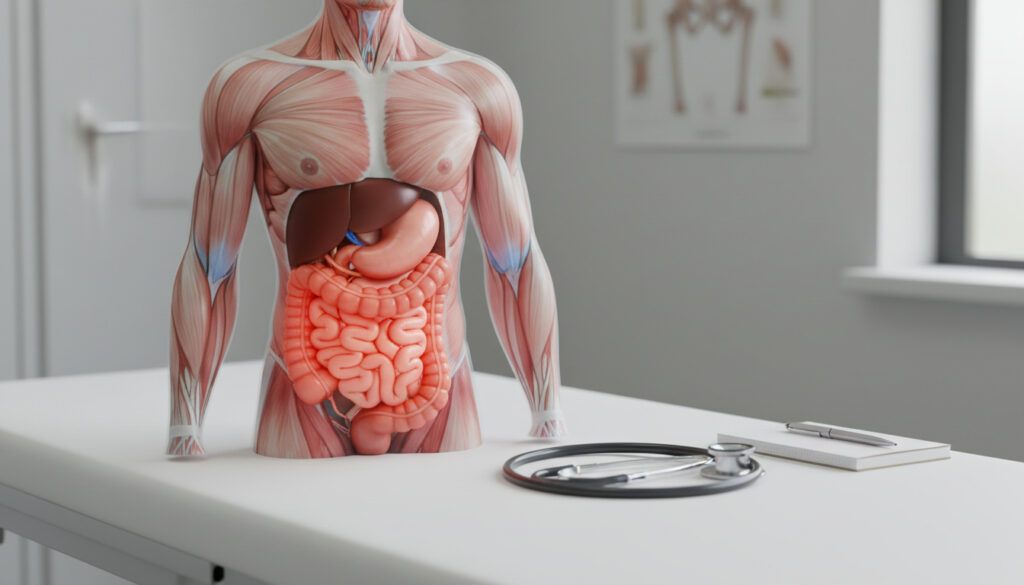
Pain on the left side of the stomach troubles millions annually, ranging from fleeting digestive discomfort to indicators of serious surgical emergencies. The anatomical landscape of the left abdomen contains vital organs including the stomach, pancreatic tail, spleen, left kidney, descending colon, and in females, reproductive structures. Consequently, discomfort localized to this region demands careful attention to specific location, quality, and accompanying symptoms to distinguish benign causes from conditions requiring urgent intervention.
Medical evaluation hinges on whether discomfort manifests in the upper or lower left quadrant. Upper left pain typically implicates gastric, pancreatic, or splenic pathology, while lower left discomfort often signals colonic, urinary, or gynecological origins. Understanding these distinctions helps patients communicate effectively with healthcare providers while avoiding dangerous delays in seeking necessary care.
Common triggers include dietary indiscretions causing gas or indigestion, though persistent or severe presentations may indicate diverticulitis, kidney stones, or inflammatory conditions. Recognizing the spectrum of potential causes—from trivial to life-threatening—enables informed decision-making about home management versus immediate medical consultation.
What Causes Pain on the Left Side of the Stomach?
The etiology of left-sided abdominal pain spans multiple organ systems and physiological mechanisms. Causes of left-sided stomach pain vary significantly based on anatomical location, symptom duration, and patient demographics.
Gas/Indigestion
Common and mild; typically follows meals and resolves within hours
Diverticulitis
Infectious inflammation of colonic pouches causing moderate to severe pain
Kidney Stones
Sharp, colicky pain radiating from flank to groin; often hematuria
Spleen Issues
Trauma-related or infectious enlargement; serious if rupture occurs
Key diagnostic considerations include:
- Most cases stem from benign digestive issues like gas or constipation
- Upper left pain often implicates the stomach, pancreas, or spleen
- Lower left pain frequently involves the colon or reproductive organs
- Sharp, sudden pain may indicate kidney stones or ovarian cysts
- Persistent pain lasting more than 48 hours requires medical evaluation
- Females face additional reproductive system considerations
- Pain patterns after meals suggest gastritis or GERD
| Location | Common Causes | Red Flags | Duration |
|---|---|---|---|
| Upper Left | Pancreatitis, Gastritis | Radiating to back, vomiting | Hours to days |
| Upper Left | Enlarged Spleen | Trauma history, fullness | Persistent |
| Upper Left | GERD/Ulcers | Burning after meals, black stool | Recurrent |
| Lower Left | Diverticulitis | Fever, bowel changes | Days |
| Lower Left | IBS/Constipation | Bloating, relief after stool | Intermittent |
| Lower Left | Ovarian Cysts (females) | Sharp sudden pain, dizziness | Hours |
| General Left | Kidney Stones | Blood in urine, flank pain | Hours (colicky) |
| General Left | Gas/Indigestion | Meal-related, bloating | Minutes to hours |
According to Cleveland Clinic, upper left abdominal pain often involves the stomach, pancreas, spleen, or left kidney, while lower left pain frequently relates to the colon, diverticula, or reproductive organs. Mayo Clinic emphasizes that the specific character of pain—whether sharp, dull, cramping, or colicky—provides crucial diagnostic information.
When Should You Worry About Left Side Stomach Pain?
Determining the seriousness of left-sided abdominal discomfort requires systematic evaluation of associated symptoms and temporal patterns. While many instances resolve spontaneously, certain combinations of signs mandate immediate medical attention.
Recognizing Emergency Warning Signs
Severe, unrelenting pain persisting for hours constitutes a medical emergency, particularly when accompanied by fever, vomiting, or blood in stool or urine. Providence advises urgency for progressive pain with fever or appetite changes, which may indicate diverticulitis or pancreatitis requiring hospitalization.
Seek immediate care for severe unrelenting pain lasting hours, fever, vomiting, or blood in stool. These symptoms may indicate diverticulitis, pancreatitis, or internal bleeding requiring urgent surgical or medical intervention.
When Pain Indicates Cancer
Rare but serious malignancies affecting the pancreas, colon, stomach, spleen, or ovaries may present with left-sided pain. Healthline notes that persistent pain accompanied by unexplained weight loss, bowel habit changes, fatigue, or dark urine warrants immediate oncological evaluation.
Document the exact location, intensity, and timing of pain episodes. Note any relationship to meals, bowel movements, or physical activity. This information significantly aids diagnostic accuracy during medical consultations.
Upper Abdominal Concerns
Pain specifically above the belly button on the left side frequently implicates the stomach or pancreatic tail. WebMD explains that pancreatitis causes unrelenting pain with nausea, worsening after fatty foods, while gastritis may mimic cardiac pain through referred sensations.
Pain on Left Side of Stomach in Females
Female physiology introduces additional diagnostic considerations due to the presence of the left ovary and fallopian tube. These reproductive structures generate distinct pain patterns requiring specialized evaluation protocols.
Ovarian and Reproductive Causes
Ovarian cysts, fluid-filled sacs that may rupture or twist, produce sharp, sudden pain often described as stabbing or cramping. Pelvic inflammatory disease and endometriosis similarly localize to the lower left quadrant during flare-ups. MedPark Hospital highlights that these conditions require distinct diagnostic approaches compared to gastrointestinal causes.
Females experiencing left-sided pain should consider gynecological causes such as ovarian cysts or ectopic pregnancy. These conditions require distinct diagnostic approaches and may present with atypical symptoms compared to standard gastrointestinal issues.
Ectopic Pregnancy and Life-Threatening Conditions
Ectopic pregnancy represents a true emergency requiring immediate surgical intervention. This condition occurs when implantation happens within the fallopian tube rather than the uterus, causing progressive pain that may radiate to the shoulder accompanied by dizziness and vaginal bleeding. NHS guidelines emphasize that any female of childbearing age with acute abdominal pain and pregnancy possibility requires rapid pregnancy testing and imaging.
How Does Left Side Stomach Pain Typically Progress?
Understanding the temporal evolution of abdominal pain helps differentiate acute emergencies from chronic manageable conditions. The following progression illustrates typical timelines:
- Immediate onset (0-6 hours): Gas, indigestion, or kidney stone colic often present suddenly. Food poisoning manifests within hours of consuming contaminated meals.
- Short-term development (6-72 hours): Diverticulitis and infections like pyelonephritis typically worsen over 24-48 hours with increasing fever and localized tenderness.
- Persistent patterns (3+ days): Chronic conditions such as IBS or inflammatory bowel disease establish recurring cycles of pain and remission lasting weeks or months.
- Progressive warning signs (weeks): Unexplained weight loss, persistent fatigue, or changing bowel habits developing over weeks may indicate malignancy requiring immediate investigation.
- Resolution or complication: Benign causes typically resolve within 48 hours, while worsening symptoms suggest complications requiring intervention.
What Is Established Versus Uncertain About Left Abdominal Pain?
Medical knowledge regarding left-sided abdominal pain contains both well-established facts and areas requiring professional diagnostic clarification.
| Established Information | Uncertain Without Medical Evaluation |
|---|---|
| Gas and indigestion typically resolve within hours without medical intervention | Self-diagnosis based solely on pain location remains unreliable |
| Location correlates with specific organ systems (upper vs lower) | Similar symptoms may represent vastly different conditions |
| Fever accompanying abdominal pain suggests infection or inflammation | Severity does not always correlate with medical seriousness |
| Females have additional reproductive organs that may generate left-sided pain | Exact causation requires physical examination and often imaging |
Why Does Left Side Location Matter?
The left abdomen houses distinct anatomical structures that determine potential pathology. The upper quadrant contains the stomach, pancreatic tail, spleen, and left kidney, while the lower quadrant encompasses the descending colon, sigmoid colon, and in females, the left ovary and fallopian tube. This anatomical mapping explains why upper pain often relates to digestive enzymes and gastric acid, whereas lower left discomfort frequently involves bowel motility or reproductive physiology.
Understanding these boundaries helps clinicians narrow differential diagnoses efficiently. For instance, splenic enlargement from infectious mononucleosis typically causes upper left fullness and early satiety, while sigmoid diverticulitis localizes precisely to the lower left with characteristic fever and leukocytosis. Overlapping nerve pathways can occasionally cause referred pain that complicates localization, necessitating imaging studies for definitive diagnosis.
The left upper quadrant contains solid organs (spleen, kidney) and hollow viscera (stomach), while the lower left primarily contains the descending and sigmoid colon. This distribution explains why lower pain often relates to bowel function and gas patterns.
What Do Leading Medical Institutions Say?
Authoritative medical sources provide consistent guidance regarding the evaluation and management of left-sided abdominal discomfort.
Diagnosis requires professional evaluation through physical examination and imaging. No home remedies cure serious conditions like pancreatitis or cancer—professional evaluation remains essential.
Progressive pain accompanied by fever or appetite changes demands urgent evaluation, particularly for suspected diverticulitis or pancreatitis. Ectopic pregnancy represents a true emergency for women of childbearing age.
Providence Medical Group
Key Takeaways on Left Side Stomach Pain
Pain on the left side of the stomach ranges from temporary digestive discomfort to serious conditions requiring immediate care. Location provides crucial diagnostic clues, with upper pain implicating gastric and splenic organs while lower pain often involves colonic or reproductive systems. Most episodes resolve spontaneously, but persistent, severe, or accompanied symptoms like fever or blood loss necessitate prompt medical evaluation. Females should remain particularly vigilant for gynecological causes. When uncertainty exists, consulting resources like Left side stomach pain: When it’s time to see a doctor provides additional guidance on seeking appropriate care.
Common Questions About Left Side Stomach Pain
What causes sharp pain on the left side of the stomach?
Sharp, stabbing pain often indicates kidney stones, ovarian cysts, or diverticulitis. Gas can also cause sharp pains but typically resolves quickly. Seek care if pain is severe or persistent.
Why do I feel pain on my left side above the belly button?
Upper left pain commonly stems from gastritis, pancreatitis, or spleen issues. This location houses the stomach and pancreatic tail. Persistent upper pain requires medical evaluation to rule out serious inflammation.
Can pain on the left side of the stomach indicate cancer?
Yes, though rare. Persistent pain accompanied by weight loss, blood in stool, or fatigue may signal pancreatic, colon, or ovarian cancer. These symptoms warrant immediate medical investigation and imaging.
Does pain on the left side of the stomach and back mean kidney stones?
Often yes. Kidney stones typically cause sharp, colicky pain radiating from the flank to the groin. Blood in urine and nausea commonly accompany stone episodes. Medical confirmation requires imaging.
Why does my left side hurt after eating?
Postprandial pain suggests gastritis, GERD, or pancreatic inflammation. Fatty meals particularly aggravate pancreatic pain. Food intolerances and gas also commonly cause discomfort following meals.
Is left side stomach pain when lying down serious?
Pain worsening when supine may indicate pancreatitis or reflux-related conditions. While not always emergent, positional pain providing no relief warrants evaluation to rule out significant organ pathology.
What do NHS guidelines say about left-sided stomach pain?
NHS guidance emphasizes that most abdominal pain resolves independently. However, they advise seeking immediate care for pain lasting over six hours with vomiting, blood, or rigid abdominal muscles indicating potential surgical emergencies.
More related posts
 Lower Back Pain Causes: Common Causes, Red Flags, and Relief
 Chargers vs Patriots Stats: 2026 Wild Card Final & Box Score
 Cast of Hysteria TV Show: Peacock’s Satanic Panic Series
 Dexa Scan Near Me – Clinics, Costs, Preparation Guide
 Joke of the Day: Short, Hilarious Jokes for Everyone
 Pictures of Breast Cancer Lumps: What They Look Like (Real Photos)
 Article 1 of the Constitution: Meaning in US, Ireland, India
 Cast of Blazing Saddles: Who Starred, Who Said No, Who’s Alive