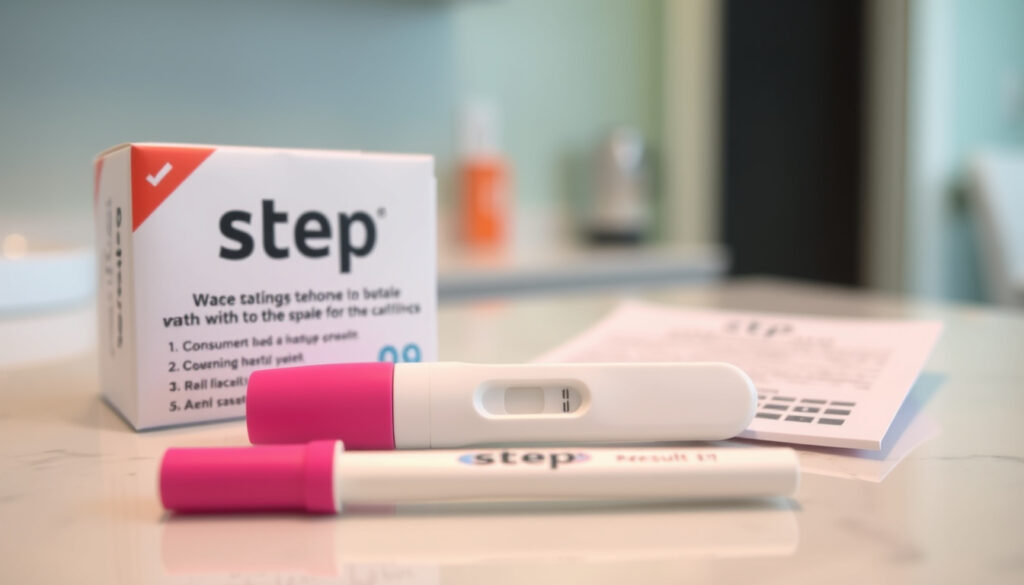
At-Home Strep Test: Accuracy, Risks & Buying Tips
Anyone who has woken up with a raw, sandpapery throat knows the first question: is this just a cold, or could it be strep? A quick swab at home promises an answer in minutes, but the reality is more layered — this guide covers what at-home strep tests can and can’t do, where to buy them, and when you’re better off heading to a pharmacy or doctor.
Prevalence of strep throat among sore throats: 5–15% in adults, 20–30% in children ·
Sensitivity of home strep tests: 70–90% compared to throat culture ·
Time to result with home test: 5–10 minutes ·
Cost of a home strep test kit: $10–$30 USD / £8–£25 GBP
Quick snapshot
- At-home strep tests are available over the counter in some markets (BTNX, diagnostic manufacturer).
- Rapid antigen tests detect Group A Streptococcus in 5–10 minutes (Healthline, health publisher).
- Boots offers a free sore throat test service at select UK pharmacies (Boots, pharmacy chain).
- False negatives are more common than false positives with home tests (Cleveland Clinic, health system).
- Exact accuracy of each branded kit across different age groups (Healthline, health publisher). (HealthMatch, health information site)
- Full availability of Boots testing in all UK locations (Boots, pharmacy chain). (HealthMatch, health information site)
- Whether home tests can reliably rule out strep in young children (HealthMatch, health information site).
- How test accuracy changes when performed by parents vs. professionals (Verywell Health, health publisher).
- Incubation period: 2–5 days after exposure (CDC, public health agency).
- Home test result: 5–10 minutes (Healthline, health publisher). (CDC, public health agency)
- Throat culture confirmation: 24–48 hours (CVS MinuteClinic, pharmacy clinic).
- Contagious until 24–48 hours after starting antibiotics (CDC, public health agency). (CDC, public health agency)
- Positive home test → Call a doctor; a confirmatory test may be needed (Cleveland Clinic, health system). (CityMD, urgent care provider)
- Negative home test but symptoms persist → Visit a clinician for culture (CityMD, urgent care provider).
- Pharmacy test → Can lead to same-day treatment if positive (Walmart, retailer).
- Doctor culture → Definitive diagnosis and prescription if needed (CVS MinuteClinic, pharmacy clinic). (CityMD, urgent care provider)
The following table summarizes essential facts about strep throat and home testing.
| Fact | Detail |
|---|---|
| Cause | Group A Streptococcus (Streptococcus pyogenes) |
| Incubation period | 2–5 days |
| Home test mechanism | Detects bacterial antigens via throat swab |
| Sensitivity (home test) | ~86% based on a 2016 review (Healthline, health publisher) |
| Specificity (home test) | ~95% when correctly administered (HealthMatch, health information site) |
| Boots service | Free sore throat test and treat in eligible UK pharmacies (Boots, pharmacy chain) |
Can I test for strep throat at home?
What is a home strep test?
- It is a rapid antigen detection test that looks for Group A Streptococcus on a throat swab (Healthline, health publisher).
- Most kits require a simple swab of the back of the throat, then a chemical reaction on a test strip.
- Results appear in 5–10 minutes, much faster than a lab culture.
How does a home strep test work?
- The swab collects fluid from the tonsillar area. That sample is mixed with a reagent that extracts antigens from any Group A Strep bacteria present.
- The mixture is then applied to a test strip that uses antibodies to capture the antigen, producing a visible line if the bacteria are present (BTNX, diagnostic manufacturer).
- Swab technique matters: inadequate sampling is a common cause of false negatives (Cleveland Clinic, health system).
Step-by-step: Using a home strep test kit
- Prepare the kit: Check the expiration date, read the instructions, and gather a timer, a mirror, and good light.
- Swab the throat: Tilt your head back, open wide, and rub the swab firmly over the back of the throat and each tonsil. Avoid touching the tongue, cheeks, or teeth.
- Mix with reagent: Insert the swab into the provided vial or tube containing the extraction reagent. Swirl and let sit for the specified time (often 1 minute).
- Apply to test cassette: Squeeze a few drops of the liquid onto the test strip or cassette window as directed.
- Wait for the result: The strip will show one or two lines. One line (control) means the test worked; two lines (control + test) means positive for strep. No control line means the test is invalid.
- Record and act: Note the result and time. If positive, contact a healthcare provider. If negative but symptoms persist, seek a throat culture (Healthline, health publisher).
A parent swabbing a squirming child will often get a less reliable sample than a trained clinician. The trade-off: you save a trip to the clinic but risk a false negative that delays proper treatment (Cleveland Clinic, health system).
How accurate are at-home strep tests?
Accuracy compared to throat culture
- A 2016 review found that home strep tests correctly identified strep in 86% of people who had it (sensitivity) and correctly ruled it out in about 95% of people who did not (specificity) (Healthline, health publisher).
- CityMD, an urgent care chain, reports that office-based rapid tests are about 95% accurate when bacteria are present, with false negatives in 5–10% of cases (CityMD, urgent care provider).
- Throat culture remains the gold standard, with near-100% sensitivity when performed correctly (CVS MinuteClinic, pharmacy clinic).
Factors that affect accuracy
- Swab technique: Poor swabbing is the top cause of false negatives (BTNX, diagnostic manufacturer).
- Timing: Testing too early (within 12 hours of symptom onset) may yield lower bacterial load.
- Pre-existing carriage: Around 10–15% of children carry Group A Strep without symptoms, so a positive result does not always mean active infection (HealthMatch, health information site).
- Test storage: Kits exposed to heat or moisture may degrade and produce unreliable results.
Can I trust a negative result?
- A negative home test does not rule out strep. The false-negative rate of 10–14% means that if symptoms strongly suggest strep (fever, swollen lymph nodes, white patches on tonsils), a throat culture is still needed (Healthline, health publisher).
- Cleveland Clinic explicitly states that home tests “can miss infections” and require “a doctor’s confirmation” (Cleveland Clinic, health system).
Four testing options, one pattern: as swab quality and clinical oversight increase, so does reliability.
| Feature | Home test | Pharmacy test | Doctor’s office test |
|---|---|---|---|
| Cost | $10–$30 / £8–£25 | Often free (e.g., Boots) or small fee | Consultation fee + test |
| Time for result | 5–10 minutes | 10–15 minutes | Rapid: same day; culture: 24–48 hours |
| Accuracy (sensitivity) | ~86% | ~90–95% (professional swab) | ~95% (rapid), ~99% (culture) |
| Convenience | At home, anytime | Pharmacy visit, walk-in | Appointment needed |
| Follow-up | Must consult doctor if positive | Can get same-day treatment (if service includes treat) | Prescription + treatment plan |
The pattern is clear: home tests offer speed and convenience but trade accuracy and clinical follow‑up. For a reliable answer, a professional swab is still the safer bet.
Where can I buy an at-home strep test?
Online retailers
- Amazon: Carries multiple brands like HealthFirst, OSOM, and Access Bio. Not all are FDA‑cleared for home use; check the label.
- Pharmacy websites: Boots UK lists strep test kits online, though availability varies.
- Specialty medical supply sites: Hibernia Medical, Medline, and others sell bulk packs.
Local pharmacies and chemists
- Some independent chemists stock over‑the‑counter strep kits in the pain relief aisle.
- In the UK, Boots offers a free sore throat test service in select stores — that is a pharmacist‑administered test, not a self‑test (Boots, pharmacy chain).
- Walmart in the US offers a pharmacist‑led test‑and‑treat service for strep with a $70 assessment fee (Walmart, retailer).
What to look for when buying
- Regulatory approval: Look for FDA clearance (US) or CE marking (UK/EU). For example, BTNX’s Rapid Response Strep A kit is CE‑marked for self‑testing (BTNX, diagnostic manufacturer).
- Expiration date: Expired kits can give false results.
- Single‑use vs. multi‑pack: If testing a family, a multi‑pack may be more economical.
Example product: BTNX Rapid Response Strep A test kit.
| Specification | Detail |
|---|---|
| Test type | Rapid immunochromatographic antigen test |
| Target | Group A Streptococcus antigen |
| Sample | Throat swab |
| Time to result | 5–10 minutes |
| Reported accuracy (manufacturer) | > 97% sensitivity and specificity (based on clinical studies) (BTNX, diagnostic manufacturer) |
| Regulatory status | CE‑marked for self‑testing in the EU/UK; US availability may require prescription in some states (Verywell Health, health publisher) |
| Shelf life | Typically 18–24 months |
| Average retail price | $15–$25 |
Even a CE‑marked kit with “over 97%” accuracy still depends on the user’s swab technique. In real‑world conditions, sensitivity often drops to the 70–90% range reported by independent reviews (Healthline, health publisher).
The pattern: even high-spec kits depend on user skill; professional testing remains more reliable.
Do pharmacies like Boots offer strep testing?
Boots pharmacy sore throat test service
- Boots operates a free sore throat test‑and‑treat service in selected UK pharmacies. A pharmacist conducts a rapid test and can prescribe antibiotics on the spot if positive (Boots, pharmacy chain).
- The service is not available at all branches; customers should check online availability before visiting.
Other pharmacy testing options
- Many independent chemists in the UK and US offer rapid strep tests for a small fee (often £10–£20).
- Walmart’s test‑and‑treat service (2025) includes a pharmacist‑administered rapid test and, if positive, a prescription for antibiotics ($70 assessment fee) (Walmart, retailer).
When to use a pharmacy test instead of a home test
- When you want a professional swab for higher accuracy.
- When you need same‑day treatment if positive (pharmacies with prescribing authority can provide antibiotics).
- When the free Boots service is available — it saves the cost of buying a kit.
The implication: a pharmacy test bridges the gap between home convenience and clinical reliability, but availability is patchy.
What conditions mimic strep throat but aren’t?
Viral sore throat vs. strep
- Most sore throats are viral (common cold, flu, COVID‑19, adenovirus). Symptoms like cough, runny nose, and hoarseness point to a virus, not strep.
- Strep throat typically lacks cough and nasal congestion; it presents with sudden severe sore throat, fever >38°C, swollen lymph nodes, and white patches on the tonsils (CDC, public health agency).
Other bacterial infections
- Bacterial tonsillitis (often caused by other bacteria like Arcanobacterium haemolyticum) can mimic strep.
- Mono (Epstein‑Barr virus) causes severe sore throat, fatigue, and swollen lymph nodes — a rapid strep test will be negative, but a monospot test can confirm mono.
Allergies and irritants
- Post‑nasal drip from allergies can cause a sore throat that feels raw. Itching, sneezing, and watery eyes are clues.
- Dry air, smoking, or acid reflux can also produce throat pain without infection.
Why this matters: treating a viral sore throat with antibiotics is not only ineffective — it contributes to antimicrobial resistance. A home test that returns negative should still be backed by a clinical assessment when symptoms are confusing.
Is strep throat contagious and what is silent strep?
How contagious is strep throat?
- Group A Streptococcus spreads through respiratory droplets from coughs, sneezes, and shared utensils or cups.
- The incubation period is 2–5 days. A person is most contagious when symptoms are present, but can also spread it before symptoms appear.
- People are no longer contagious after 24–48 hours of appropriate antibiotic treatment (CDC, public health agency).
Silent strep throat: what it is
- Silent (asymptomatic) carriage occurs when a person harbors Group A Strep in the throat without any symptoms. Studies suggest 10–15% of school‑aged children are carriers (HealthMatch, health information site).
- Carriers generally do not need treatment unless they are close contacts of someone with recurrent strep or in settings like nursing homes.
- Cleveland Clinic warns that some children can carry the bacteria for months or years without getting sick (Cleveland Clinic, health system).
When are you no longer contagious?
- After 24 hours of antibiotics, the risk of spreading drops significantly.
- Without treatment, a person can remain contagious for up to 2–3 weeks (CDC, public health agency).
A home test cannot distinguish between active infection and silent carriage. A positive result in a person without symptoms may simply be detecting harmless colonization — leading to unnecessary antibiotic use (HealthMatch, health information site).
The implication: positive home tests in symptom-free individuals may not indicate active infection.
What’s clear and what isn’t
Confirmed facts
- At‑home strep tests are available over‑the‑counter in some markets (BTNX, diagnostic manufacturer).
- Results are rapid (5–10 minutes) but less sensitive than culture (Healthline, health publisher).
- Boots provides free sore throat testing at select UK pharmacies (Boots, pharmacy chain).
- False negatives occur in 10–14% of cases with home tests (CityMD, urgent care provider).
What’s unclear
- Exact accuracy of each branded kit across different populations.
- Full availability of Boots testing in all UK locations.
- Whether home tests can reliably rule out strep in young children.
- How test accuracy changes when performed by parents vs. professionals.
“Home strep tests can be hard to use, may miss infections and still need a doctor’s confirmation.”
“At-home strep tests are a reliable way to diagnose strep so your child can quickly get a diagnosis and treatment.”
The trade‑off between convenience and accuracy is real. A home test can save a trip to the clinic, but if you or your child have a high fever, pus on the tonsils, or swollen glands, don’t let a negative home result delay medical care. For families in the UK, checking if your local Boots offers the free service might be the smartest first move — it’s one phone call that could save you the cost of a kit and give you a more reliable answer.
Understanding the accuracy of at-home strep tests is especially important when considering how strep throat spreads within a household.
Frequently asked questions
How does a home strep test work?
A throat swab is mixed with a reagent that extracts antigens from Group A Streptococcus. The mixture is applied to a test strip; two lines mean positive, one line means negative.
Can I use a home test for my child?
Yes, but swabbing a child can be challenging. Improper swabbing increases the risk of a false negative. The Cleveland Clinic (health system) advises that a negative result in a child with symptoms should be followed by a professional test.
Do I need a prescription for a home strep test?
In most US states and the UK, home strep test kits are available over the counter without a prescription. However, some FDA‑cleared versions may be restricted to licensed providers in certain states (Verywell Health, health publisher).
How long does it take to get results?
Most home tests produce results in 5–10 minutes. Throat culture results from a lab take 24–48 hours.
What should I do if the test is positive?
Contact your healthcare provider. A positive home test does not guarantee a prescription — clinicians may repeat the test in‑office to confirm before writing an antibiotic prescription (Cleveland Clinic, health system).
Is a home test as accurate as a throat culture?
No. Home tests have a sensitivity of roughly 86%, meaning they miss about 14% of strep cases. Throat culture is the gold standard with near‑100% accuracy (Healthline, health publisher).
Can strep go away without antibiotics?
Yes, strep throat is self‑limiting in some people, but untreated infections can lead to complications such as rheumatic fever or peritonsillar abscess. Antibiotics speed recovery and reduce contagiousness (CDC, public health agency).
Are there any risks of using a home test incorrectly?
The main risk is a false negative that delays appropriate treatment. Improper swab technique, expired reagents, or misinterpretation of faint lines can all produce an incorrect result.
More related posts
 Michigan vs Ohio State 2025: Player Stats & Game Recap
 Weather in New York: Monthly Averages, Packing & Best Times
 How Long Does Mono Last? Recovery Timeline & Key Facts
 Manuel Garcia-Rulfo: Career, Biography, and 2025 Updates
 What is the Capital of Australia? Canberra, Seat of Government
 Terrence Shannon Jr.: Draft, Legal Case, and NBA Rookie Season
 Pink Salt Weight Loss: Does the TikTok Trick Really Work
 Pacers vs Cavaliers Player Stats: Game 7 & Key Numbers